How to Protect Your IP When Manufacturing Offshore: NDAs, Drawing Control and Supplier Vetting
Every experienced buyer who manufactures offshore has a system for protecting their designs. It is not complicated, and comes down to three things, done in the right order: the right agreement, the right control over your drawings, and the right supplier from the start.
Most of what goes wrong with IP overseas is usually a drawing sent too early, an agreement that only works in a courtroom back home, or a factory that was never actually vetted before the deposit went out.
This guide walks through exactly how to protect your design, from the paperwork you sign before anyone sees your drawings, to how you choose the supplier in the first place.
What Actually Counts as Your IP When You Manufacture Offshore?
Before you can protect anything, you need to know exactly what you are protecting. Most buyers default to thinking about patents first, but on a typical manufacturing project, the real exposure is spread across several different kinds of intellectual property, and each one needs a different kind of protection.
1. Patents, Trademarks and Copyrights
Most people think of IP protection as patents, and patents matter. But a patent only protects what has actually been filed, in the countries where you filed it, and only once it issues.
A trademark protects your brand name and logo, not your product design. A copyright protects things like packaging artwork, instruction manuals, or software code, but not the mechanical design of a part itself.
2. Trade Secrets, Drawings and Know-How
The part most buyers actually need to protect when they manufacture offshore is not patented yet, and might never be. It is the drawing itself: tolerances, material specs, assembly sequence, and the small adjustments that took months to get right. This is trade secret territory, not patent territory, and trade secrets only stay protected for as long as they stay secret.
What Is the Difference Between an NDA and Actual IP Protection?
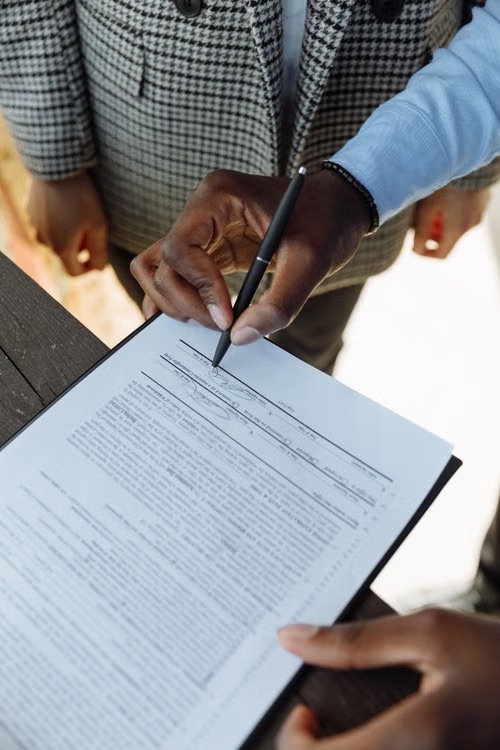
A lot of the confusion around offshore IP comes from treating an NDA and real IP protection as the same kind of thing. They are not. One is a private promise between two parties. The other is a right the law recognizes against anyone, whether that person ever signed anything or not.
Contract Protection vs Statutory IP Rights
An NDA, or an NNN agreement, only binds the party that signed it. If your supplier breaks it, you have a contract claim against that one company, in whichever court the agreement names, and nowhere else. It protects you through a promise, not through ownership of anything.
Patents, trademarks, copyrights, and trade secrets work differently. These are rights granted or recognized by law itself, enforceable against anyone who infringes them, not just a party you happen to have an agreement with. A granted patent lets you stop a stranger you have never met from making your invention, which is something no NDA could ever do on its own.
The two are not substitutes, they are layers that do different jobs. An NNN agreement controls what one specific supplier can do with what you shared with them. A patent or trademark controls what anyone in the world can do with your invention or your brand, supplier or not.
The Four Types of IP, and What Each One Actually Covers
- Patents protect inventions, meaning how something works or how it is made. A utility patent covers function, a design patent covers ornamental appearance, and both are filed with a government patent office, last for a fixed number of years, and only apply in the countries where you filed.
- Trademarks protect brand identifiers: names, logos, and slogans that signal where a product comes from. They stop marketplace confusion, not copying of the underlying product design.
- Copyrights protect original creative expression, like packaging artwork, instruction manuals, product photography, and software code. Protection is automatic the moment the work is created in most countries, though registration makes it far easier to enforce.
- Trade secrets protect confidential, commercially valuable information, like your drawings, tolerances, formulas, and processes, for as long as that information actually stays secret. There is no filing and no application, but also no protection at all the moment the information becomes public.
An NNN agreement does not create any of these rights. It enforces a promise about IP-adjacent information, almost always trade secrets that have not been patented, with a supplier you already have a relationship with. That is exactly why it matters even when nothing you own is patented, trademarked, or copyrighted yet: trade secret protection is the one type of IP that exists automatically, for free, as long as you actually keep the information confidential.
Why a Standard NDA Does Not Protect You the Way You Think It Does
This is the single most common mistake buyers make before they ever send a drawing overseas. They sign an NDA that feels familiar, file it away, and assume the legal box is checked, when in most offshore manufacturing relationships, it protects almost nothing at all.
Where a Western Style NDA Actually Falls Apart
A US-style NDA is written in English, governed by US law, and enforceable in a US court. None of that helps you when your supplier is in China, Vietnam, or almost anywhere else, since a foreign court has no obligation to recognize a judgment from a court it has no connection to.
Lawyers who work on China manufacturing deals put it bluntly. A Western NDA is close to worthless there, because it is written in English, governed by foreign law, and effectively unenforceable in a Chinese court. If your supplier will not show up to a lawsuit filed back home, and they usually will not, the agreement is a document, not a deterrent.
What an NNN Agreement Covers Instead
An NNN agreement stands for non-disclosure, non-use, and non-circumvention, and it is built specifically to work in the supplier's own jurisdiction and language. Non-disclosure keeps your information from leaking to a third party. Non-use stops the factory itself from taking your design and using it to compete with you, which is usually the bigger risk than outside leaks.
Non-circumvention stops the supplier from going around you to sell directly to your own customers once they know who those customers are. All three protections come from contract law, not intellectual property law, which is exactly why they hold up in a local court even when your product is not patented anywhere.
What Needs to Be in Your NNN Agreement to Make It Enforceable
An NNN agreement only works if it is written in the supplier's language, governed by the supplier's local law, and enforceable in a local court, not a foreign one. For China specifically, that means Chinese language, Chinese law, and jurisdiction in a Chinese court, not the country where your company happens to be based.
It also needs a real damages clause. A vague "reasonable damages" line gives a local court very little to work with, while a specific liquidated damages figure per breach gives the supplier an actual number to weigh before they decide to break the agreement.
NNN Agreement vs Manufacturing Agreement, and When You Need Both
Most companies sourcing custom products overseas eventually need two different agreements, not one, just at different points in the relationship. The NNN agreement goes in place first, before you disclose anything sensitive to a factory you are still evaluating and have not yet committed to, which matters because most buyers share drawings with two or three suppliers just to get comparable quotes.
The manufacturing agreement comes later, once you have actually selected a factory and are ready to pay for tooling or commit to production. It should carry the same non-disclosure, non-use, and non-circumvention protections forward, alongside quality terms, tooling ownership, and payment structure.
If you have already chosen your supplier and can go straight to a full manufacturing agreement before disclosing anything sensitive, that single agreement can carry the NNN protections itself, and a separate NNN becomes unnecessary. The mistake to avoid is skipping both because you are still "just getting quotes," since that early evaluation stage is exactly when most drawings get away from a buyer.
How Do You Control Your Drawings and Technical Data With a Supplier?
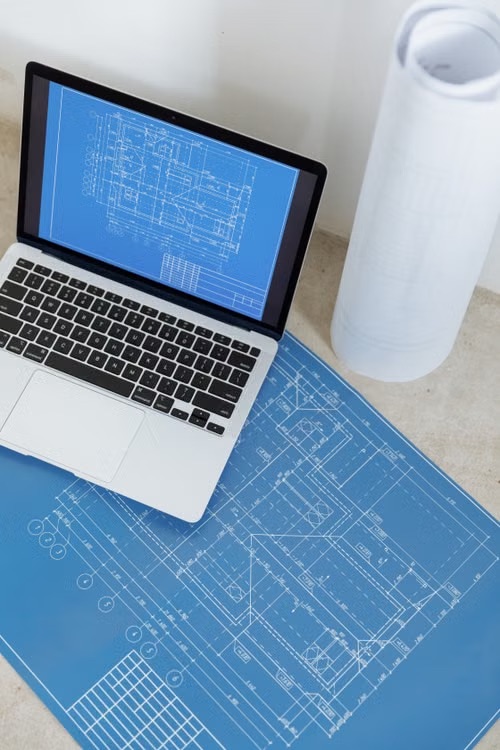
A signed agreement only matters if you actually control what gets disclosed and to whom. This is where most of the practical, day-to-day protection happens, well before any dispute or lawsuit ever becomes necessary.
Splitting Production So No Single Supplier Has the Whole Picture
One of the simplest ways to limit exposure is making sure no single supplier ever has your complete design. You can split the tooling, the sub-assemblies, or the finishing process across two or three vendors, and the factory doing final assembly never sees the full specification behind every component.
This adds coordination work on your side, and it is not free. For a design that took years to develop, it is usually still cheaper than the alternative.
Filing for Patent Protection Before You Send a Single Drawing
If any part of your design is patentable, file before you disclose it to anyone, including a supplier you trust completely. Most countries outside the US follow absolute novelty rules, meaning a public disclosure before filing can permanently block patent protection in that country, even if you still have a filing window back home.
A pending US patent application also has a useful side benefit here. It stays confidential and unpublished for up to 18 months after filing, so you get trade secret protection and a pending patent claim at the same time while you source.
Marking, Version Control and Limiting Who Sees What
Every drawing you send should be marked confidential, dated, and version-controlled, so there is never a question about which revision a supplier had and when. Limit full assembly drawings to people who genuinely need them, and send individual component drawings to sub-suppliers wherever the production split allows it.
None of this is easy. It is the same discipline most engineering teams already use internally, just extended to cover the supplier's side of the relationship too.
How Do You Vet a Supplier Before You Hand Over Your Design?
The best agreement in the world will not save you from a supplier who was never trustworthy to begin with. Vetting happens before any of the paperwork, and it is often the step buyers rush through fastest when they are excited to get a project moving.
Verify the Business Is Actually Who It Says It Is
Before anything sensitive goes out, confirm the company is legally registered and is actually the factory, not a trading company reselling someone else's production. In China, every legitimate company has a business license tied to an 18-character Unified Social Credit Code, which you can check against the public registry before you send anything sensitive their way.
This one step catches a surprising number of problems early. A supplier that resists a basic registration check, or cannot produce documentation for who they actually are, has already told you most of what you need to know.
Get a Factory Audit, Not Just a Video Call
A video call shows you what a supplier wants you to see. A third-party factory audit shows you the actual production floor, the equipment on site, and whether the company you are dealing with is really the manufacturer.
A supplier's reaction to the request is often the clearest signal of all. Suppliers confident in their own operation tend to welcome a third-party audit, while ones with something to hide tend to stall.
Watch for the Specific Red Flags That Predict IP Problems
A few patterns show up again and again with suppliers who end up misusing a client's design. Reluctance to sign an NNN agreement before quoting is one. Vague answers about who owns the tooling once you have paid for it is another, since tooling ownership disputes are one of the most common ways a design ends up in someone else's hands.
A supplier that already produces a suspiciously similar product for another brand is the clearest signal of all. If they will do it to someone else, they will do it to you too.
What Do You Do if Your Design Shows Up Somewhere It Should Not?
Even with every precaution in place, infringement still happens sometimes. What you do in the first few days after you discover it usually decides whether you have a real case or just a frustrating story to tell.
Document the Evidence Before You Do Anything Else
The moment you suspect infringement, start documenting. Screenshots, purchase records of the infringing product, timestamps, and a clear timeline of what you disclosed to which supplier and when, all matter more than they seem to in the moment.
Do this before you confront anyone. Once a supplier knows you are aware, evidence has a way of disappearing.
Know Which Enforcement Path Actually Applies to You
If the infringing goods are entering the US, recording your registered trademark or copyright with US Customs and Border Protection lets federal agents detain and seize infringing shipments at the border, for a modest recordation fee per registration. This only works for what you actually registered, which is exactly why the contract and patent protections earlier in this guide matter so much before you ever reach this stage.
For a genuine trade secret or NNN breach, your enforcement path usually runs through the supplier's local courts, using the agreement you built specifically to work there. This is the entire reason the earlier steps exist. An enforceable local agreement is worth more at this stage than any amount of frustration.
How Does Wootz.work Help Protect Client IP During Offshore Production?
At Wootz.work, we put an NNN agreement in place with every finishing and fabrication vendor before disclosure, and we keep production split across vetted partners so no single vendor holds a complete assembly picture on sensitive projects.
Every supplier we work with has been through a documented vetting process, covering business registration, factory audits, and a track record we check before a client's design goes anywhere near their floor. Drawings are version controlled, and access is limited to what each vendor actually needs to do their part of the job, nothing more.
Wootz.work runs engineering and quality inside partner factories itself, rather than handing a client's drawings to a broker network and hoping for the best. We control raw material, engineering, and quality ourselves, so a design does not pass through hands we have not already vetted.
That is why an NNN agreement goes in place with every finishing and fabrication vendor before disclosure, not after a factory has already seen the drawing. Production gets split across vetted partners on sensitive projects, so no single vendor ever holds the complete picture, and every drawing stays version controlled with access limited to whoever actually needs it.
Unlike a trader or a factory broker, we are in the process and independent of the factory floor at the same time. You are not trusting a middleman's word that your design is safe. You are working with the team that actually controls who sees it.
Ready to Manufacture Offshore Without Losing Sleep Over Your Design?
Wootz.work keeps engineering and quality in house, with an NNN agreement in place before any disclosure, so your drawings stay in one accountable place instead of a broker’s subcontractor network.
Discuss With Our Engineering TeamFAQ
Is an NDA enough to protect my IP when manufacturing in China?
No. A standard Western NDA is written in a foreign language and governed by foreign law from the supplier's perspective, which makes it close to unenforceable in a Chinese court. Use an NNN agreement instead, drafted in Chinese, governed by Chinese law, and enforceable in a Chinese court.
What is an NNN agreement?
An NNN agreement combines non-disclosure, non-use, and non-circumvention clauses into one contract designed to work in the supplier's own jurisdiction. It protects you through contract law rather than intellectual property law, which is what makes it enforceable even for designs that are not patented anywhere yet.
Should I file a patent before or after I send drawings to a manufacturer?
Before, whenever the design is patentable. Most countries outside the US follow absolute novelty rules, so disclosing your design before filing can permanently block patent protection in that country, even if you still have time to file back home.
How do I check if an offshore supplier is actually legitimate?
Start with their business registration. In China, every real company has a business license tied to a Unified Social Credit Code that you can verify against the public registry, and a supplier that resists this basic check is telling you something important.
Should I split production across multiple suppliers to protect my design?
It is one of the most effective ways to limit exposure, especially for a design that took significant time or money to develop. No single supplier sees the full specification, so even if one relationship goes wrong, your complete design never left your control.
What is drawing control in manufacturing?
Drawing control means marking every drawing confidential, tracking versions, and limiting full assembly drawings to people who genuinely need them. It is standard internal engineering discipline, extended to cover suppliers as well.
Can I sue a foreign manufacturer for stealing my design?
It depends entirely on what agreement you had in place before disclosure. An enforceable local agreement, like an NNN agreement drafted for that country's courts, gives you a real path to enforcement. Without one, your options narrow considerably.
What happens if I find counterfeit versions of my product being imported into the US?
If you hold a registered US trademark or copyright, recording it with US Customs and Border Protection lets federal agents detain and seize infringing shipments at the border. This only works for what you registered, which is why registering early matters.
Does Wootz.work sign an NNN agreement before seeing our drawings?
Yes, with every finishing and fabrication vendor involved, before any disclosure happens, not after.
Will our design be shared with subcontractors we have not approved?
No. Production is split across vetted partners only where it protects the client, and drawing access is limited to whoever genuinely needs it for their part of the job.
How is this different from working with a trading company or sourcing agent?
A trader hands a drawing off to whichever factory is available and has little reason to track where it ends up. Wootz.work runs engineering and quality inside the factory itself, so one accountable team controls the design from disclosure to delivery.

.svg)