Metal finishes are the last line of defense between raw metal and every environment that is quietly trying to break it down. Get the finish wrong, and you pay for it later, usually at the worst possible time.
This guide walks through the three finishes that show up most often on manufacturing drawings, anodizing, powder coating, and passivation, plus a handful of other metal finishes you will run into along the way.
What Does Metal Finishing Actually Mean?
Metal finishing is any process applied to a metal part after it is shaped, to change how that surface behaves. Sometimes it protects against corrosion. Sometimes it changes color, texture, or hardness, or all three at once.
Think of raw steel or aluminum as a blank page. The metal comes out of a mill, a cast, or a CNC machine functional but exposed, with nothing standing between it and the air, the water, or the chemicals it will meet in service.
A finish adds a layer, a treatment, or a controlled surface reaction so the part survives its working life.
Finishing generally falls into three buckets:
- Mechanical (changing texture through physical means)
- Chemical or electrochemical (changing the surface through a reaction)
- Coating (adding an external protective layer)
Most real parts use more than one metal finishing. For instance, a stainless bracket might get bead blasted for texture, then passivated for corrosion resistance. An aluminum enclosure might get machined, then anodized, then screen printed with a logo on top.
What Are the Main Types of Metal Finishing Processes?
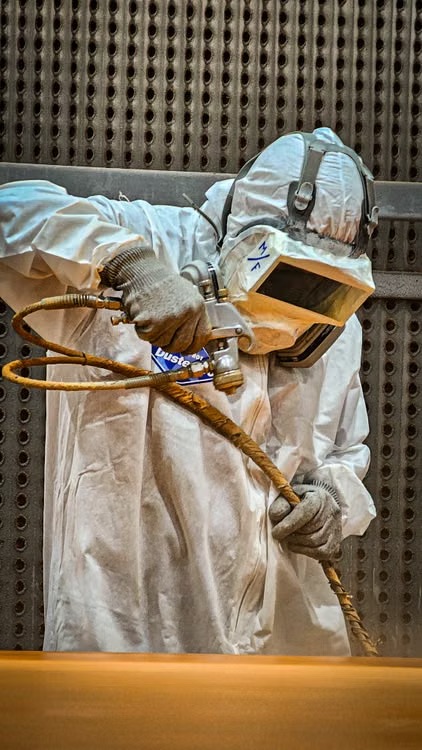
When we group metal finishing processes by how they actually work, there are five categories.
- Mechanical finishing covers grinding, polishing, brushing, buffing, and bead or sand blasting. These change texture and knock out surface defects, but they rarely add meaningful corrosion resistance on their own.
- Chemical conversion finishing includes passivation, chromate conversion coating, and black oxide. Instead of adding something new, these processes react with the metal surface itself and build a thin protective layer out of the metal that is already there.
- Electrochemical finishing includes anodizing and electroplating. Both use an electric current in a bath, either to grow a thicker oxide layer on the part (anodizing) or to deposit a separate metal onto it (plating with chrome, zinc, or nickel).
- Coating processes include powder coating, liquid painting, and physical vapor deposition, or PVD. These add a genuinely external layer, usually chosen for color, wear resistance, or both together.
- Hot dip galvanizing is the process of dipping steel into molten zinc to create a thick, metallurgically bonded coating unlike anything sprayed or brushed on.
Every one of these processes solves a different problem. The trick is matching the process to what the part actually needs in service in the working environment. Among these different types of metal finishing processes, there are a select few that are most commonly used across industries, like anodizing, powder coating and passivation.
What Is Anodizing? When Should You Specify It?
Anodizing is an electrochemical process that thickens the natural oxide layer already sitting on aluminum. It does not add a coating from outside. It converts part of the aluminum itself into aluminum oxide, a hard, ceramic-like layer that becomes part of the metal rather than sitting on top of it.
The reference point most of the industry still uses is MIL-A-8625, the military specification defining six types and two classes of anodizing. Three of those types come up constantly in commercial work.
- Type I uses chromic acid and produces a thin coating, mostly reserved for fatigue-sensitive aerospace parts.
- Type II uses sulfuric acid and covers most of the decorative and protective anodizing you see on consumer electronics and architectural trim.
- Type III, known as hard anodizing, builds a much thicker and harder coating for parts that take real wear, like hydraulic cylinders and gears.
Specify anodizing when the part is aluminum, needs strong corrosion resistance, and might also need color or a dielectric, meaning non-conductive, surface. It does not work on steel or most other metals, only aluminum along with a few other reactive metals like titanium and magnesium.
One detail engineers miss constantly is that anodizing thickness has to be called out specifically on the drawing, in mils or microns, along with the type and class.
What Is Powder Coating? When Does It Make the Most Sense?
Powder coating applies a dry powder to a metal part electrostatically, then cures it under heat so it melts and flows into one continuous film. There is no solvent carrying the pigment here, which is part of why powder coating produces close to zero volatile organic compound emissions during application, according to EPA guidance on surface coating operations.
Powder coating works on steel, aluminum, and most other conductive metals. It comes in almost any color, gloss level, or texture, and it holds up to scratches and chipping noticeably better than liquid paint on the same part.
For architectural and exterior work, the industry leans on standards from the American Architectural Manufacturers Association. AAMA 2604 requires the coating to survive a 3,000-hour salt spray test and hold color within a Delta E of less than 5, roughly a ten-year performance level in the field. AAMA 2605 sets an even higher bar, aimed at buildings and structures expected to hold their finish for twenty years or longer.
You need powder coating when you want color, solid durability, and a lighter environmental footprint than liquid paint. It is a strong default for equipment housings, outdoor furniture frames, and architectural aluminum, provided the substrate gets prepped correctly first.
You can skip it when you need extreme wear resistance, since that is anodizing's job, or when the part is stainless steel that just needs corrosion protection without color, since that is passivation's job.
What Is Passivation? Why Does It Matter So Much for Stainless Steel?
Passivation is a chemical treatment, usually a nitric or citric acid bath, that removes free iron and other contamination from the surface of stainless steel. It does not add a coating at all. It cleans the surface so the chromium already inside the stainless steel can form its own natural, invisible oxide layer, which is the thing actually making stainless steel resist rust.
The governing standard is ASTM A967, which defines the acid treatments available and lists seven possible verification tests, including salt spray, high humidity, and copper sulfate testing. A properly passivated part should show no rust, staining, or discoloration under any of them.
You’ll need passivation for any stainless steel part where corrosion resistance genuinely matters, especially fasteners, medical devices, food processing equipment, and anything that meets moisture or chemicals regularly. It is inexpensive, and it changes nothing about the part's dimensions.
How Do You Actually Choose Between Anodizing, Powder Coating and Passivation?
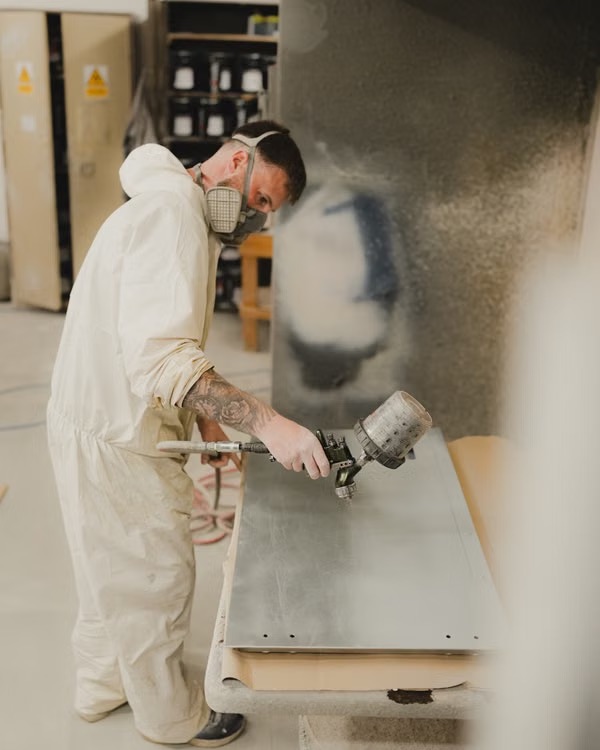
Start with the base metal, because that alone rules two of the three out most of the time. Passivation only applies to stainless steel. Anodizing only applies to aluminum, titanium, and magnesium. Powder coating works on almost anything conductive, which makes it the most flexible of the three by substrate alone.
Then think about what the finish actually needs to do once the part is in service. If you need color plus a moderate protective layer, powder coating usually wins. If you need a hard, wear-resistant, dielectric surface on aluminum, anodizing wins. If the part is already stainless steel and just needs to stop rusting, passivation is best, and adding anything on top of it is often wasted money.
Here are a few metal finishing examples that make this concrete:
- An aluminum enclosure for outdoor telecom equipment usually gets powder coated, for color and weather resistance together.
- A precision aluminum cam or shaft under constant friction usually gets hard anodized, for wear resistance.
- A stainless fastener heading into a food processing line almost always gets passivated, and nothing else.
Cost and lead time matter here too. Passivation is typically the cheapest and fastest of the three. Anodizing sits in the middle. Architectural grade powder coating, especially to AAMA 2605, takes longer because of the testing and certification standing behind it.
What Other Metal Finishing Methods Should You Know About?
Anodizing, powder coating, and passivation cover most drawings, but they are not the whole picture.
Electroplating
Electroplating deposits a thin layer of a different metal, like chrome, nickel, or zinc, onto a part using an electric current. It shows up constantly on decorative trim, connectors, and parts that need specific electrical or wear properties the base metal cannot provide on its own.
Hot dip galvanizing
Hot dip galvanizing dips steel into molten zinc, creating a thick, metallurgically bonded coating rather than a sprayed one. Under ASTM A123, structural steel needs a minimum coating thickness depending on the material category, and the payoff is genuinely long-term. Properly galvanized steel routinely lasts more than 70 years in rural or mild environments, with a shorter but still substantial service life in industrial or marine settings.
Black oxide coating
Black oxide is a chemical conversion coating, mostly used on steel, that produces a dark, low-luster finish with mild corrosion resistance. It is a favorite of tools and firearm components because it adds no measurable thickness to tight tolerance parts.
PVD
PVD, physical vapor deposition, uses a vacuum chamber to lay down an extremely thin, hard coating, often chosen for a premium metallic look or serious wear resistance on cutting tools.
Mechanical finishes
Mechanical finishes like brushing, polishing, and bead blasting do not add corrosion resistance by themselves. They set the final texture, though, and often have to happen either before or after a chemical or coating process to get the look a drawing calls for.
What Metal Finishes Hold Up Best in Exterior Applications?
Exterior applications are the harshest real world test for any metal finish. UV exposure, temperature swings, rain, and in coastal areas, salt spray, will find every weak point in a finish within a handful of years if the wrong one gets specified.
Powder coating to AAMA 2604 or 2605 is the default choice for exterior aluminum, from window frames to outdoor equipment enclosures. Hard anodizing holds up extremely well outdoors too, particularly on parts that need scratch resistance from sand, grit, or repeated handling, like railings or outdoor fixtures.
For steel structures exposed to weather over decades, hot dip galvanizing is usually the strongest option on its own. Some projects pair it with a powder coat or paint layer on top, a combination called duplex coating, for extra protection and a specific color. Stainless steel with proper passivation also performs well outdoors, especially on equipment that gets washed down or exposed to chemicals regularly.
Salt spray testing, following ASTM B117, is the industry's standard way to simulate years of coastal exposure inside a few weeks in a lab. If a supplier cannot produce salt spray results for a part headed outdoors, that is worth asking about before you sign off on the order.
A Comparison Between Different Metal Finishing Processes
Here is how the finishes covered in this guide stack up side by side.
| Finish | Base Metal | Main Benefit | Typical Standard | Best For | Relative Cost |
|---|---|---|---|---|---|
| Anodizing | Aluminum, titanium, magnesium | Hard, wear resistant, dielectric oxide layer | MIL-A-8625 | Aerospace parts, electronics housings, wear surfaces | Medium |
| Powder Coating | Steel, aluminum, most conductive metals | Color, durability, low VOC | AAMA 2603 / 2604 / 2605 | Outdoor equipment, architectural aluminum, machinery housings | Medium |
| Passivation | Stainless steel | Removes free iron, restores natural corrosion resistance | ASTM A967 | Fasteners, medical devices, food processing equipment | Low |
| Hot Dip Galvanizing | Steel, iron | Thick, long lasting zinc barrier | ASTM A123 | Structural steel, outdoor infrastructure | Medium |
| Electroplating | Steel, brass, aluminum | Decorative or functional metal layer | Varies by metal | Trim, connectors, hardware | Low to Medium |
How Does Wootz.work Handle Finish Specification for Overseas Manufacturing?
Finish specification is one of the first things we lock down at Wootz.work, not something left to interpretation once a part reaches the shop floor. Before a drawing goes anywhere near fabrication, we confirm the exact type, class, and thickness on every anodized part, and we require written certificates of compliance from our finishing vendors before a batch ships.
Passivation and powder coating jobs get the same treatment, with batch level documentation kept on file so there is a paper trail the moment a customer or a customs inspector asks for one.
Is Your Finish Callout Specific Enough to Survive Fabrication?
We confirm anodizing type and thickness, powder coat standards, and passivation on stainless before a single part goes into production, then certify and document every batch.
Talk to Our Engineers NowFAQ
What is meant by metal finishing?
Metal finishing means any process applied to a metal part's surface after it has been shaped, done to improve corrosion resistance, change appearance, or add hardness. It covers mechanical, chemical, electrochemical, and coating based methods, often combined on a single part.
What are the types of metal finishes?
The main types are anodizing, powder coating, passivation, electroplating, hot dip galvanizing, PVD coating, black oxide, and mechanical finishes like polishing or bead blasting. Each one suits a different base metal and a different job to do.
What are the different types of metal finishing processes?
Metal finishing processes generally fall into five categories. Mechanical processes include grinding and polishing, chemical conversion covers passivation and black oxide, electrochemical covers anodizing and plating, coating processes cover powder coating and PVD, and hot dip galvanizing stands on its own.
What is the most well-known form of metal finishing?
Powder coating and electroplating are probably the two most recognizable forms of metal finishing to a general audience, since both show up constantly in consumer products, appliances, and automotive trim.
What is a timeless metal finish?
Brushed stainless steel and hard anodized aluminum both get called timeless, mostly because they resist visible wear and do not chase trend colors the way painted finishes sometimes do. They tend to age gracefully instead of looking dated a decade later.
What is a satin finish on metal?
A satin finish is a mechanical finish with a smooth, low gloss texture, usually created through fine brushing or light abrasive polishing. It hides fingerprints and minor scratches noticeably better than a high polish mirror finish does.
What's the longest-lasting metal?
No metal lasts forever unprotected, but with the right finish behind it, hot dip galvanized steel and passivated stainless steel are generally considered the longest lasting options in real world service. Galvanized structural steel alone can protect against corrosion for more than 70 years in mild environments without maintenance.
What do metal finishing companies do?
Metal finishing companies apply coatings and treatments, including anodizing, powder coating, plating, and passivation, to customer supplied parts. Most also handle surface preparation, in house quality testing, and compliance documentation against standards like MIL-A-8625 or ASTM A967.
What are four common types of finishes?
Four of the most commonly specified metal finishes are anodizing, powder coating, passivation, and electroplating. Together, those four cover the large majority of industrial and architectural finishing needs across most industries.
What metal finishes are in style in 2026?
Matte black, brushed nickel, and warm brass toned finishes remain popular for consumer facing hardware and equipment. In industrial and architectural work, durable matte powder coats in muted tones continue to outsell high gloss finishes for both looks and long term maintenance.

.svg)