

.svg)
You tightened those bolts to the right spec with a calibrated torque wrench, yet they're loose again. This frustrating problem is costing companies thousands of dollars in downtime and also has serious safety risks across industries, from manufacturing to construction.
But the real issue isn't always the torque value itself. It's how vibration, joint settling, thermal cycling, and improper tightening methods work together to break the clamping force that holds everything in place. Many assume hitting the right torque number solves everything, but that's only part of the equation.
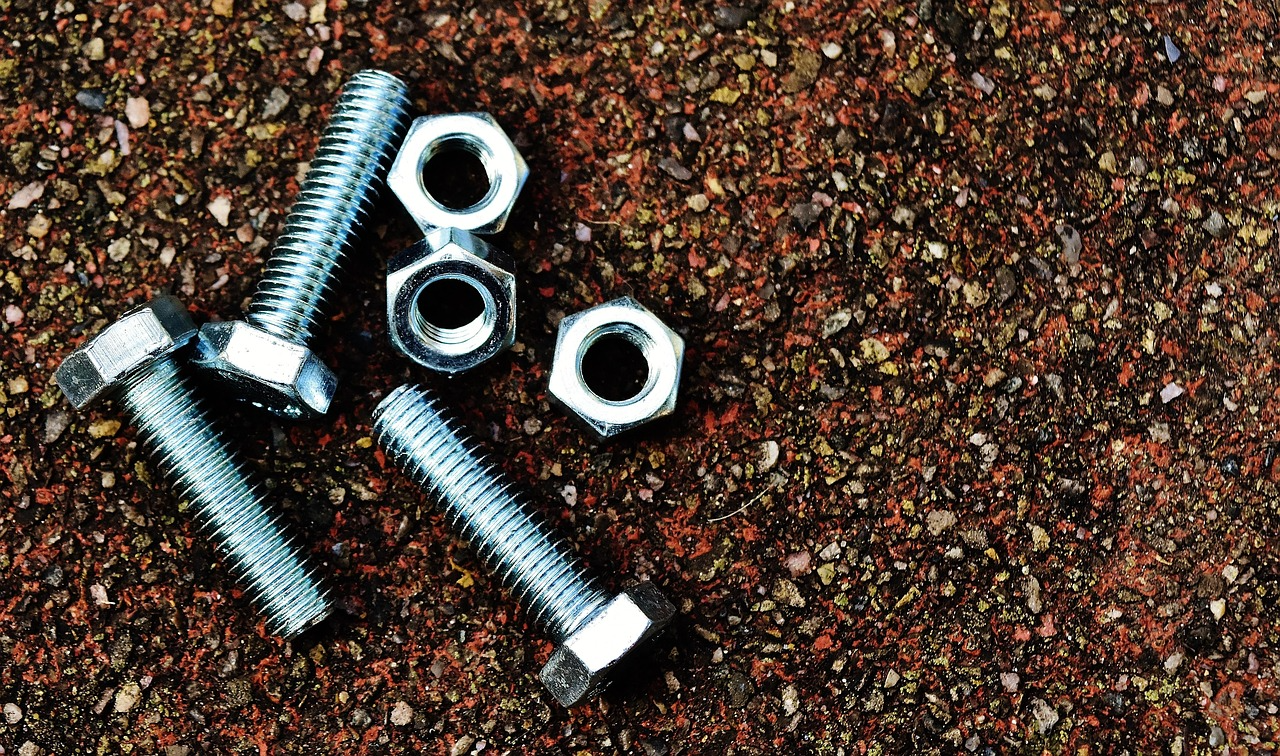
Torque alone doesn't guarantee a secure joint. There are other factors: vibrations break the friction between threads, temperature changes alter material dimensions, improper washer use fails to distribute loads correctly, and contaminated surfaces reduce the clamp force that keeps everything tight.
Vibration is a major cause of bolts loosening, even when you tighten them correctly. When machines vibrate, it causes slight movements between the bolt threads and the nut. Over time, this movement can weaken the friction that keeps the fastener secure.
This process takes time. At first, vibration breaks the initial grip, and with each little shake, the bolt loosens further. Eventually, this repeated motion can lead to a significant loss of clamp load.
High-frequency vibrations are especially harmful, especially in motors and engines, where parts are always in motion. In these cases, the joint does not get a chance to settle properly.
If you add impact loads, the problem gets worse. Sudden shocks can cause the bolt to lose its grip on the joint almost instantly. This shows how important it is to tighten your bolts correctly and to think about the conditions they will face.
Temperature variations cause bolts and the materials they are securing to expand and contract at different rates. When this happens, the joint may loosen.
Heat causes metals to expand. If a bolt heats up faster than the material it's fastened to, it stretches and loses tension. Once everything cools down, the bolt might not return to its original tightness. On the other hand, cold temperatures can lead to contraction. As materials shrink, they can pull apart from each other, meaning that the bolt might stay the same length while the surrounding components decrease in size.
Repeated cycles of heating and cooling can be particularly challenging. Each cycle gradually reduces the bolt's grip, and after numerous cycles, the bolt can lose so much tension that it becomes loose.
Washers help to spread the load, but they also protect surfaces and keep the clamp force tight. If you use the wrong type of washer or skip them entirely, you can end up with loosening issues that more torque won't fix.
Flat washers help distribute the pressure from the bolt head over a larger area. Without them, the bolt head can press too hard into soft materials, leading to an uneven surface. This can lower the actual clamp force below what your torque wrench reads.
Lock washers help maintain tension or grip on surfaces. Split lock washers create a spring tension, while tooth lock washers dig into the material. If you use a flat washer when you really need a lock washer, you lose the locking function.
Incorrectly stacking washers can also cause issues. Using multiple flat washers can cause excessive movement at the joint. Each extra washer adds another surface that might slip or compress.
Dirt, oil, rust, and paint on bolt threads or joint surfaces affect the clamp force you can achieve. Your torque wrench may show the correct reading, but the actual tension in the bolt can be much lower.
Oil and grease reduce friction between threads. This means that more of the torque you apply goes into stretching the bolt instead of overcoming friction. You might think you have the torque right, but you could actually be over-tensioning the fastener. If the lubricant moves away, the bolt might loosen.
Rust and corrosion increase friction and can mislead you into thinking you've achieved proper tension when the bolt hasn't stretched enough. The corroded material can also compress over time, which decreases clamp force.
Paint and coatings on joint surfaces can compress under load. As the coating crushes, the bolt loses tension. This loss happens gradually after installation, which is why painted joints often need re-torquing.
Torque measures rotational force, but it doesn't directly create the clamping force that holds your joint together. Most of your applied torque is lost to friction in the threads and under the bolt head, so identical torque values can produce wildly different tension results depending on surface conditions and tool accuracy.
When you tighten a bolt, you're stretching it like a spring. This stretch creates tension, which generates the clamping force that holds your parts together. Torque is just the twisting motion you use to create that stretch. The problem is that only 10% of your torque actually goes into stretching the bolt. About 50% goes to overcoming the bearing friction, and another 40% battles occur to overcoming the thread friction.
This means you can apply the exact same torque to two identical bolts and get completely different clamping forces. One bolt might be properly loaded while the other sits dangerously under-tensioned or over-tensioned.
Clean, dry threads require a different torque than lubricated ones. A rusty or dirty bolt can absorb more torque just fighting corrosion and debris, leaving almost nothing for actual clamping.
Oil, anti-seize, or thread-locking compounds change everything. Lubricants reduce friction, which means your specified torque now creates more tension than intended. You'll need to reduce your torque values accordingly to avoid stretching bolts past their yield point.
Check your bolt manufacturer's specifications. They usually provide torque values for specific lubrication conditions.
Your torque wrench can be off by 10-25% without showing any obvious signs. Click-type wrenches lose accuracy from drops, over-torquing, and simple age. Beam-type wrenches bend permanently if stored under load.
Professional calibration should happen every 5,000 cycles or annually, whichever comes first. In critical applications like aerospace or pressure vessels, quarterly calibration may be done.
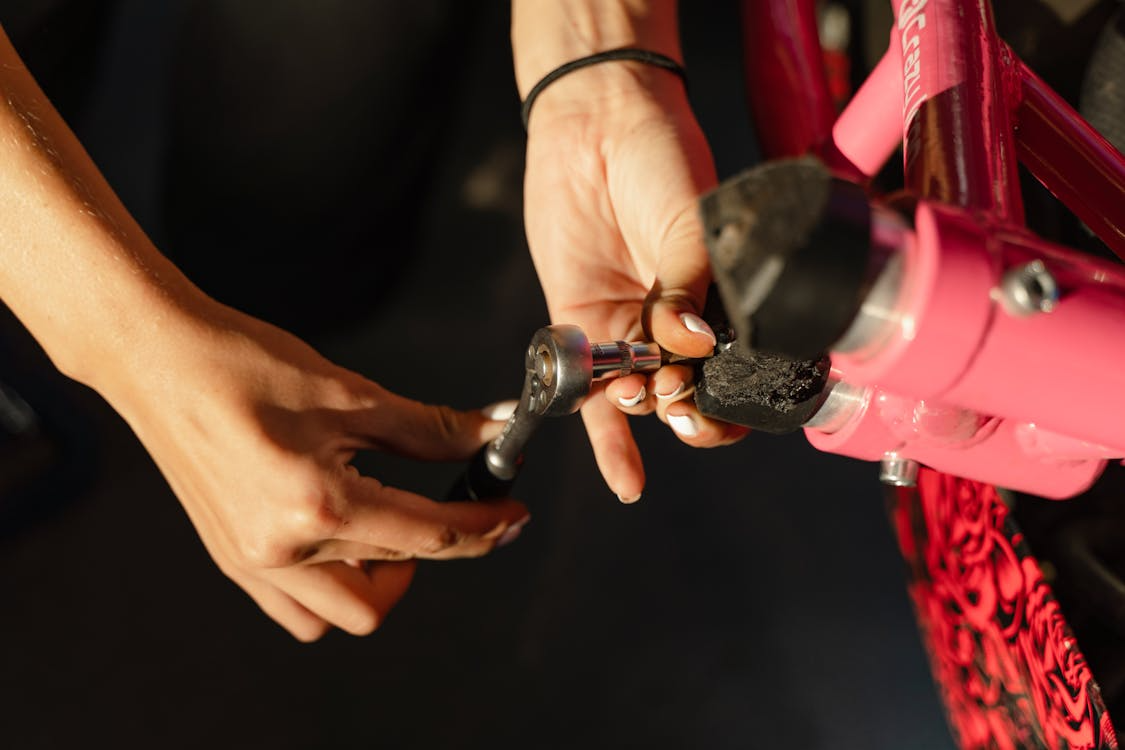
Bolts stay tight when you combine proper locking mechanisms with adequate clamping force and the right securing compounds. The key is matching your prevention method to the specific conditions your assembly faces.
Mechanical devices physically block rotation. Use wedge-locking washers for high-vibration environments, as they maintain tension better than standard split washers. For critical safety, use safety wire or tab washers to create a visible, physical barrier against turning.
Lock nuts with nylon inserts or deformed threads provide constant prevailing torque. Double-nutting, where a jam nut is tightened against a primary nut, creates opposing forces that resist vibration-induced rotation and joint relaxation.
Anaerobic adhesives fill thread gaps and cure into a solid bond. Clean threads thoroughly with degreaser before application to ensure proper adhesion. Choose the strength based on maintenance needs: medium-strength for standard removal and high-strength for permanent assemblies.
Consider operating temperatures, as standard lockers fail above 300°F. Special high-temperature formulas are necessary for engine or exhaust components to maintain joint integrity and prevent chemical breakdown.
Switching from torque to torque-angle tightening provides more accurate bolt stretch. This involves tightening to a snug torque, then rotating a specific number of degrees. For high-stakes applications, ultrasonic measurement provides accurate bolt elongation readings, eliminating the high error margins common with torque wrenches.
Joints often settle as surface irregularities compress during initial operation. Schedule a retorque after the first 50-100 hours to restore lost clamping force. Always follow the original star or cross pattern to ensure even pressure distribution and prevent joint distortion.
Monitor problem joints regularly. If a bolt consistently requires more than 10 degrees of rotation to hit the target, re-evaluate the joint design or material compatibility to find a permanent solution.
Bolts loosen even at correct torque because torque alone doesn't guarantee proper clamp load. The real issue lies in how tension is distributed across the joint and how external forces affect it over time.
Your action plan should address these core areas:
As you consider all of these in your maintenance and installation, you can avoid your bolts from loosening and prevent major issues.

.svg)


