Today is World Chocolate Day, and while most people are celebrating the taste, we want to celebrate something else: the engineering behind it.
A cocoa pod, on its own, looks nothing like chocolate. It holds roughly thirty to forty beans, each wrapped in a bitter, pulpy coating. For hundreds of years, turning these beans into something enjoyable to eat was a slow, manual craft. Beans were fermented in baskets, dried in the sun, and ground by hand on heated stones. The result was a thick, coarse paste, prized in its time, but a far cry from the smooth bar we know today.
Three breakthroughs changed the course of chocolate entirely, and each one is, at its heart, a manufacturing story.
Enjoy this read by Forged Forward with a piece of your favorite chocolate.
The Press That Built an Industry
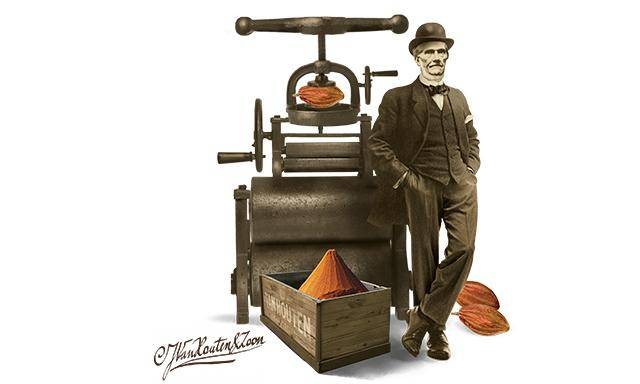
Picture Amsterdam in 1828. A young chemist named Coenraad Van Houten, working alongside his father Casparus, stares at a batch of cocoa liquor so oily and coarse that it barely qualifies as a beverage, let alone a treat. Chocolate at this point is a bitter drink reserved for European aristocracy, thick with fat, gritty on the tongue, and nearly impossible to produce at any meaningful scale. What happens next quietly rewrites the future of an entire industry. The Van Houtens build a hydraulic press strong enough to squeeze the fat out of roasted cocoa beans, cutting the cocoa butter content nearly in half. The result is a dry, dense cake that can be pulverized into a fine, workable powder. For the first time, cocoa becomes something a manufacturer can measure, standardize, and scale. This single machine plants the seed for eating chocolate as a category, and every company that follows builds on that foundation.
The Grind That Delivered Smoothness
Fifty years later in Switzerland, a chocolatier named Daniel Peter is chasing a much more personal goal: a smoother chocolate he believes will win the heart of the woman he loves. Working alongside his neighbor Henri Nestlé, an expert in condensed milk, Peter finally solves a problem that had stumped chocolatiers for years. Fresh milk mixed with cocoa always turned rancid. Condensed milk, with its water content reduced, does not. In 1875, milk chocolate is born, and a joint venture between Peter and Nestlé carries it to a global audience.
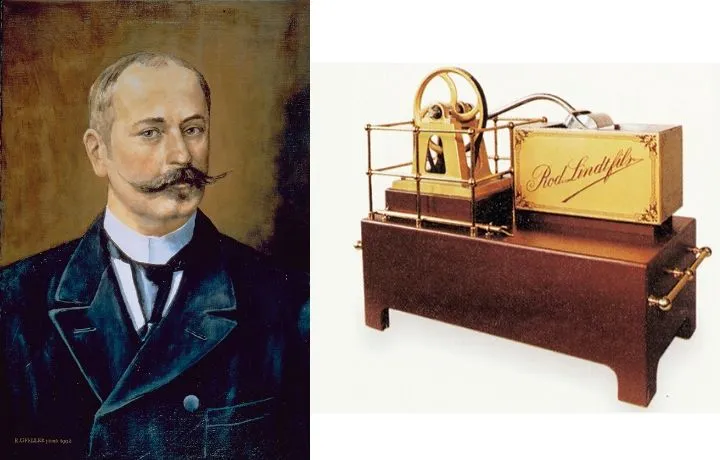
In the same decade, a Swiss manufacturer named Rodolphe Lindt makes what may be the most fortunate mistake in food history. Legend has it he accidentally left a chocolate mixer running overnight. What he found the next morning was a smoother, glossier chocolate than anyone had tasted before. He had discovered conching, the process of grinding and aerating chocolate for hours until every trace of grit disappears. It is a finishing process, not unlike polishing or surface grinding in metal fabrication, where sustained mechanical action turns something rough into something refined.
The Temperature Curve Behind the Perfect Snap
Cocoa butter can form six different crystal structures, and only one of them produces the glossy finish and clean snap that people associate with quality chocolate. This process is widely known as tempering.
The Chocolate Revolution
By the turn of the twentieth century, three companies take these breakthroughs and turn them into household names.
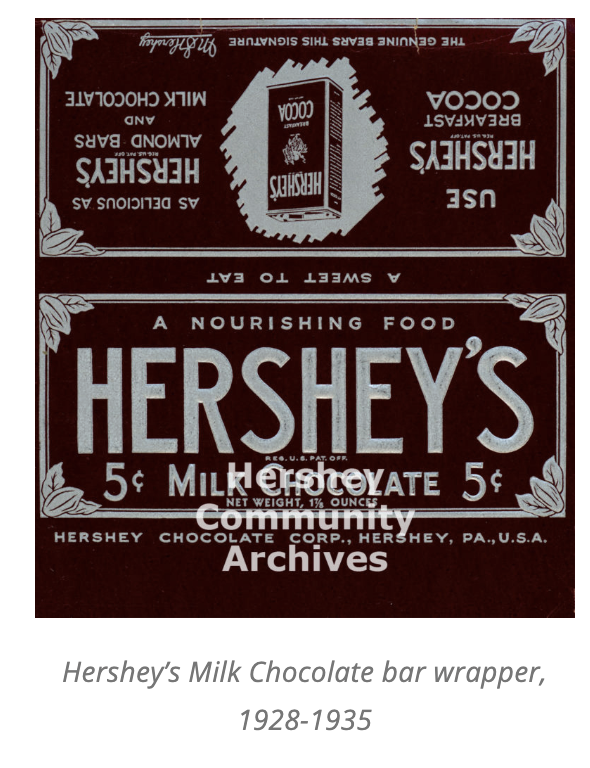
In 1900, the Hershey Milk Chocolate Bar launches at a nickel apiece, and a product once reserved for the wealthy becomes something anyone can buy at a corner store.

In June 1905, Cadbury Dairy Milk debuts, and within a decade it becomes the best selling chocolate bar in Britain, a position it holds for generations. In Switzerland, Nestlé continues refining and scaling the milk chocolate formula born from Peter's original breakthrough, helping carry it across borders and turning what began as one man's experiment into a product enjoyed on nearly every continent.
Step back, and a pattern becomes unmistakable. None of these companies changed the cocoa bean itself. What they changed was the process: pressing, conching, tempering, formulating, and manufacturing at a scale no one had previously imagined possible. Chocolate moved from an aristocratic indulgence to a global industry worth well over one hundred thirty billion dollars today because a handful of manufacturers treated it as an engineering problem worth solving, not just a recipe worth guarding.
Consistency at scale made that growth possible, and consistency at scale is always a process achievement.
Happy World Chocolate Day!

.svg)