




End-to-End Metal Fabrication for Custom Parts and Structures

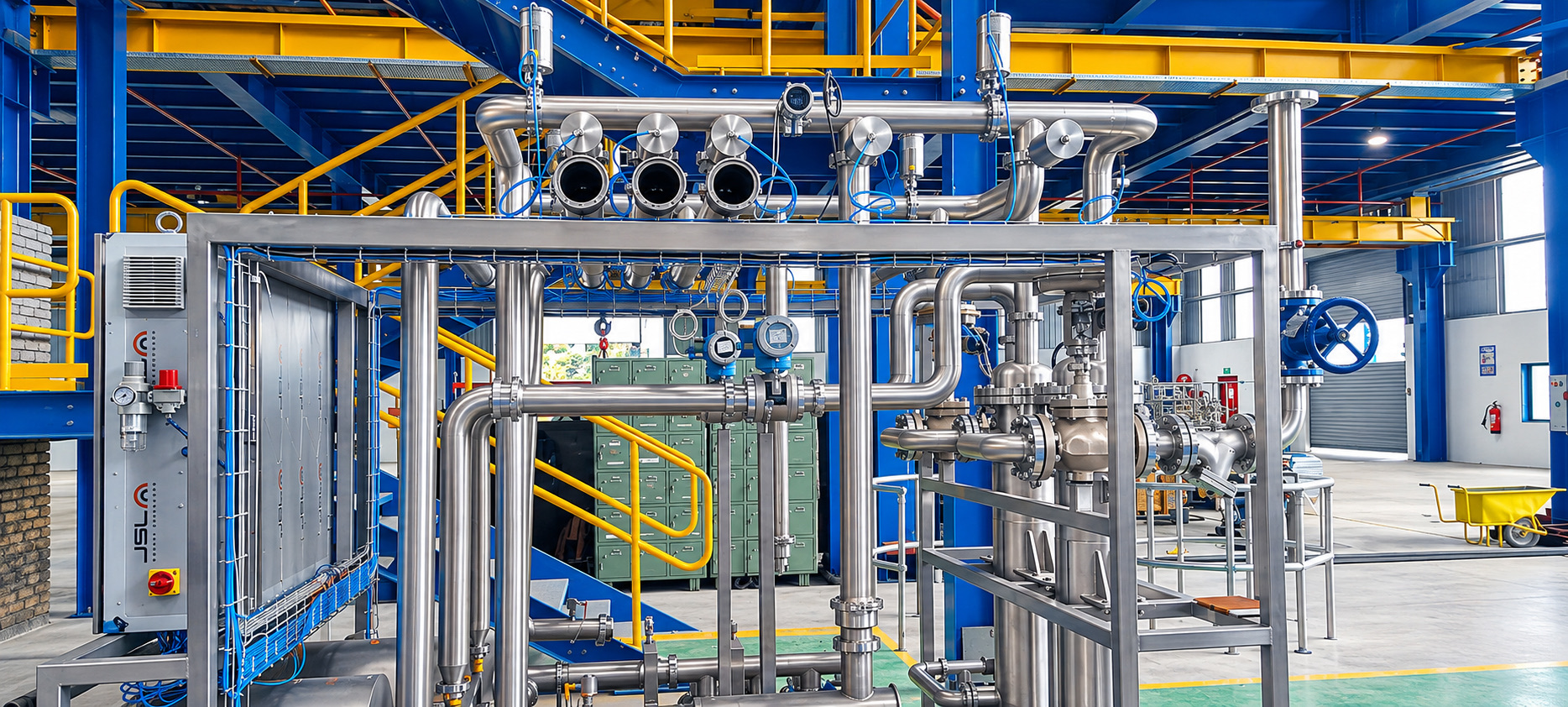
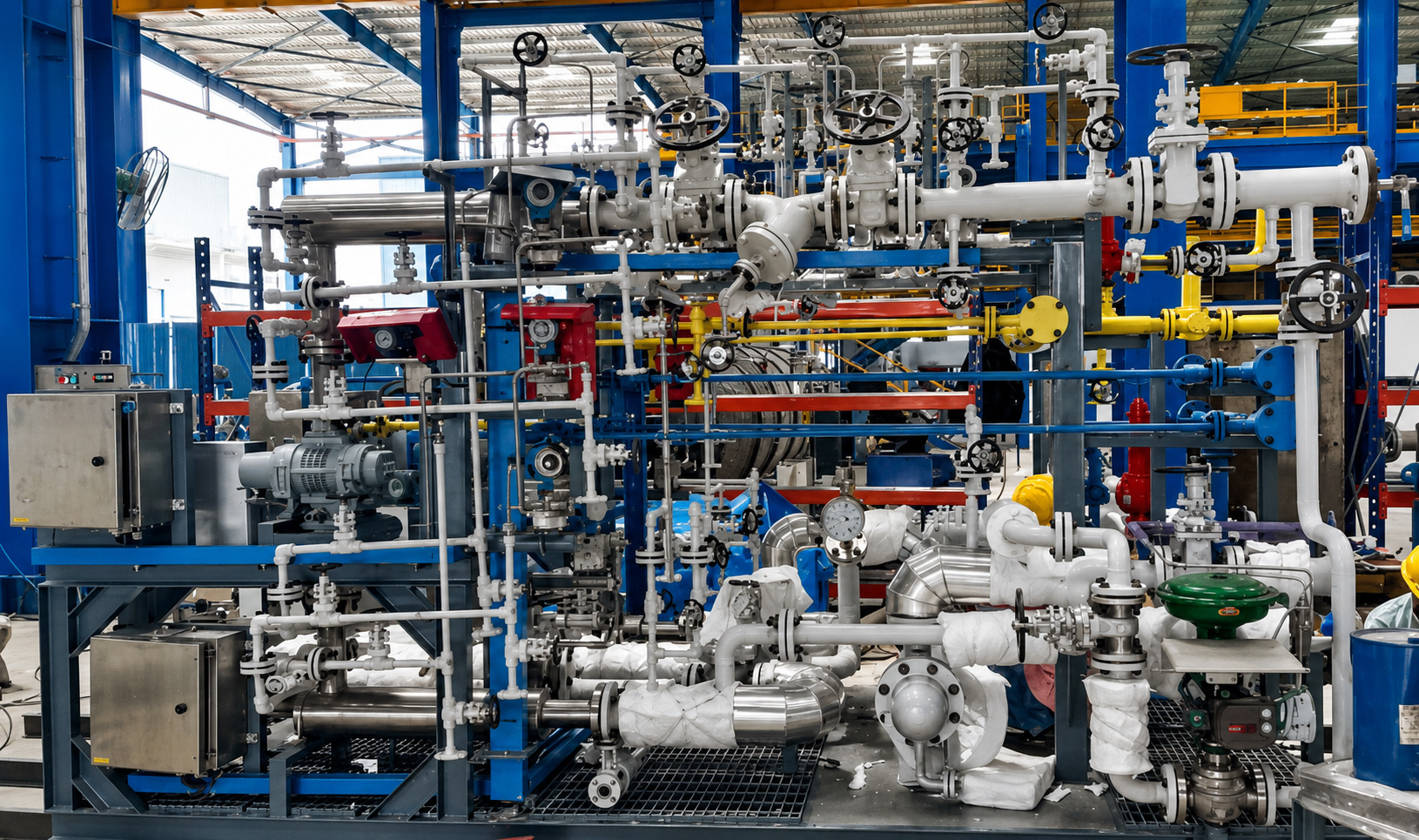
From nozzles and flanges measured in millimetres to reservoir tanks, structural frames, and multi-part welded assemblies, Wootz.work manufactures custom fabricated components across every production scale. Each drawing is engineered for manufacturability before fabrication begins, ensuring the finished component matches its function as closely as its specification.

ISO 9001 · 14001 · 45001
compliant manufacturing
10+
industries served
24–48h
quotation turnaround
143
materials handled
150+
processes across 300+ capabilities
120K+
tagged quality data points

Custom Fabrication Based on Your Specifications and Application Requirements

Built to your drawings. Tuned to your application.

Wootz.work manufactures custom sheet metal parts, structural assemblies, and welded components for OEMs and manufacturers across India, the UK, US, and Europe. Our fabrication scope runs from structural elements like base frames, enclosures, and reservoir tanks, through to sub-assemblies and precision spares such as nozzles, flanges, agitators, and reducers. Every part moves through engineering review before it reaches the shop floor, where bend feasibility, weld access, and material behavior are checked against your drawing — so problems get caught before production starts, not after. At Wootz.work, fabrication is aligned to:

  • Drawings and tolerances
  • Material grade and thickness
  • Assembly fit and alignment
  • Load conditions and usage cycles
  • Surface finish and environmental exposure
Explore a Selection of Our Custom Fabrication Solutions

Every solution below is manufactured to your drawings and application requirements. Share your specifications and we will respond with a technical quote within 24–48 hours.


Tanks and Vessels

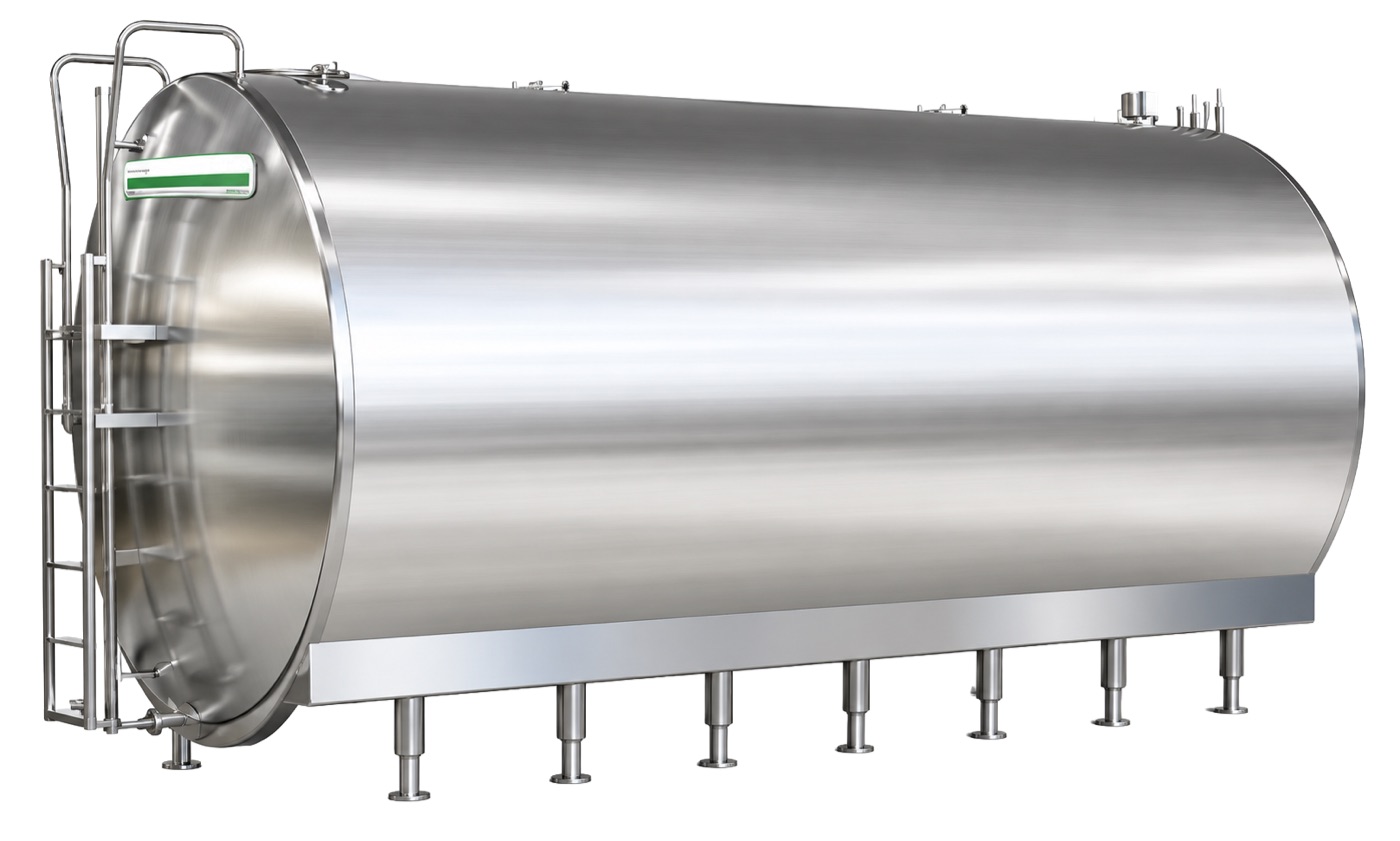
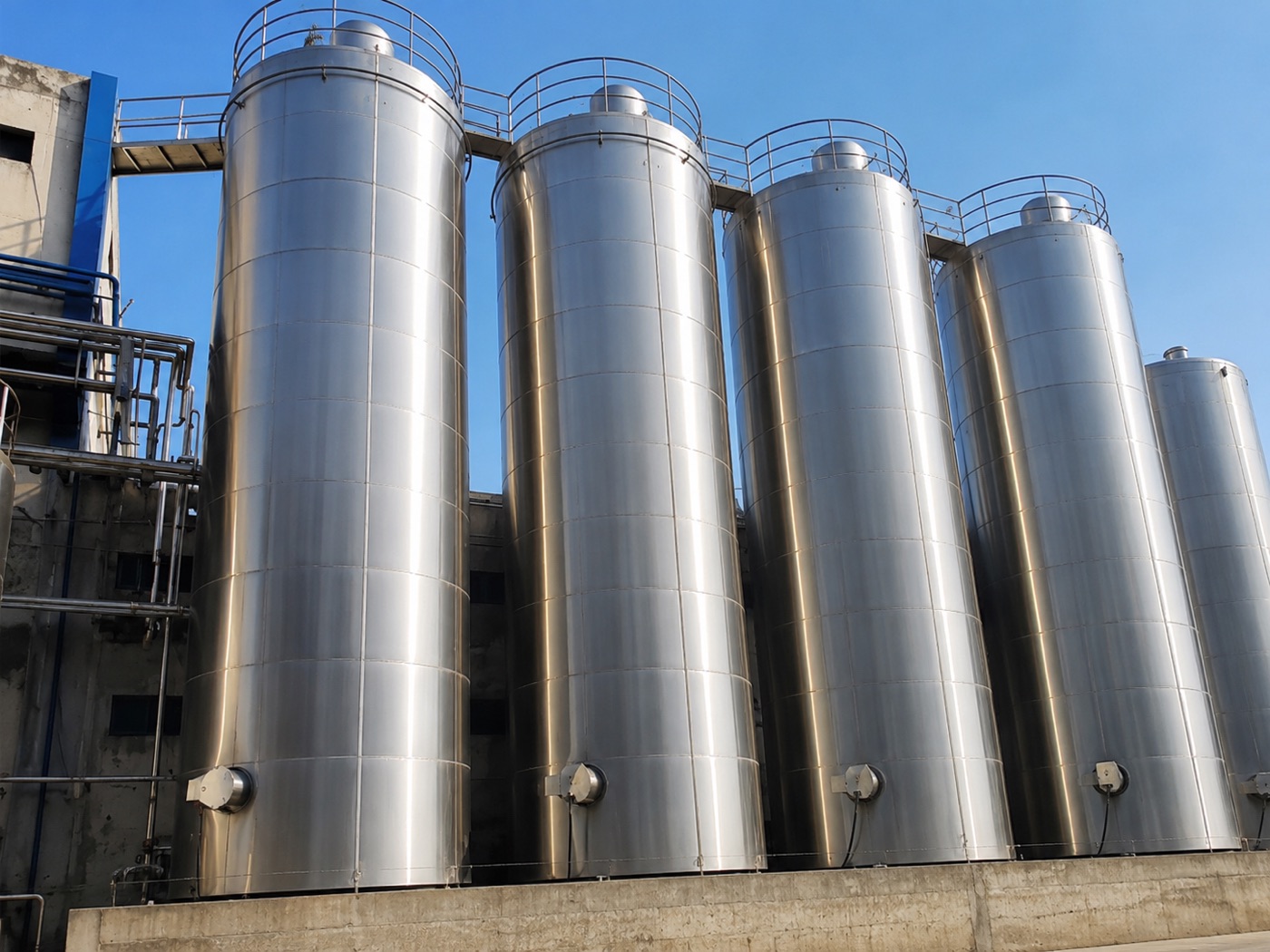
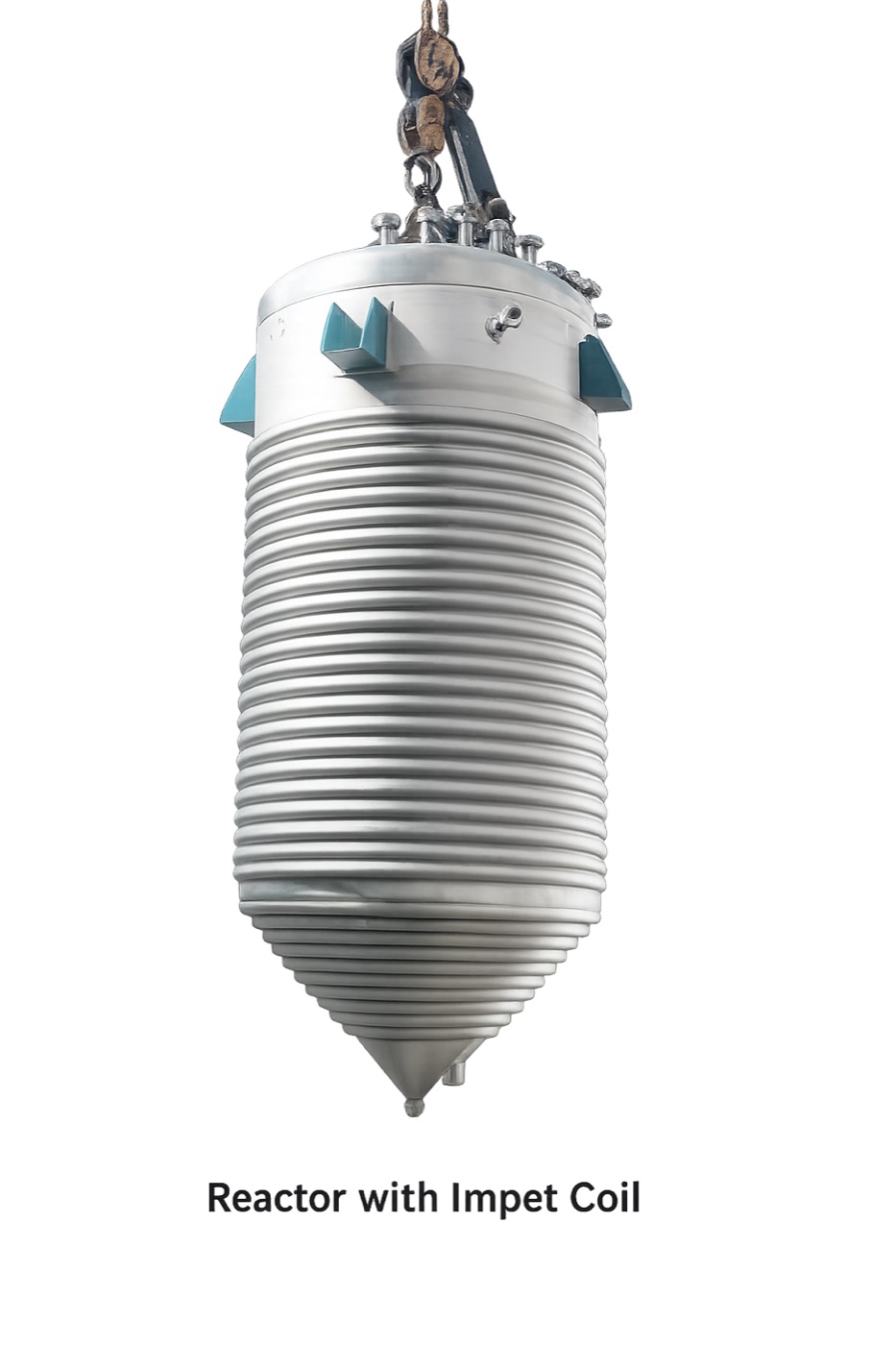
We fabricate tanks and vessels for storage, mixing, and processing of liquids, gases, and powders across chemical, pharmaceutical, food processing, and industrial gas applications. These are built to handle varying pressures and temperatures with full weld integrity and material traceability.

  • Reactors with Limpet coils and dimpled jackets
  • Pressure vessels for industrial gases
  • Nutsche filters for chemical processing
  • Dimpled jacket tanks
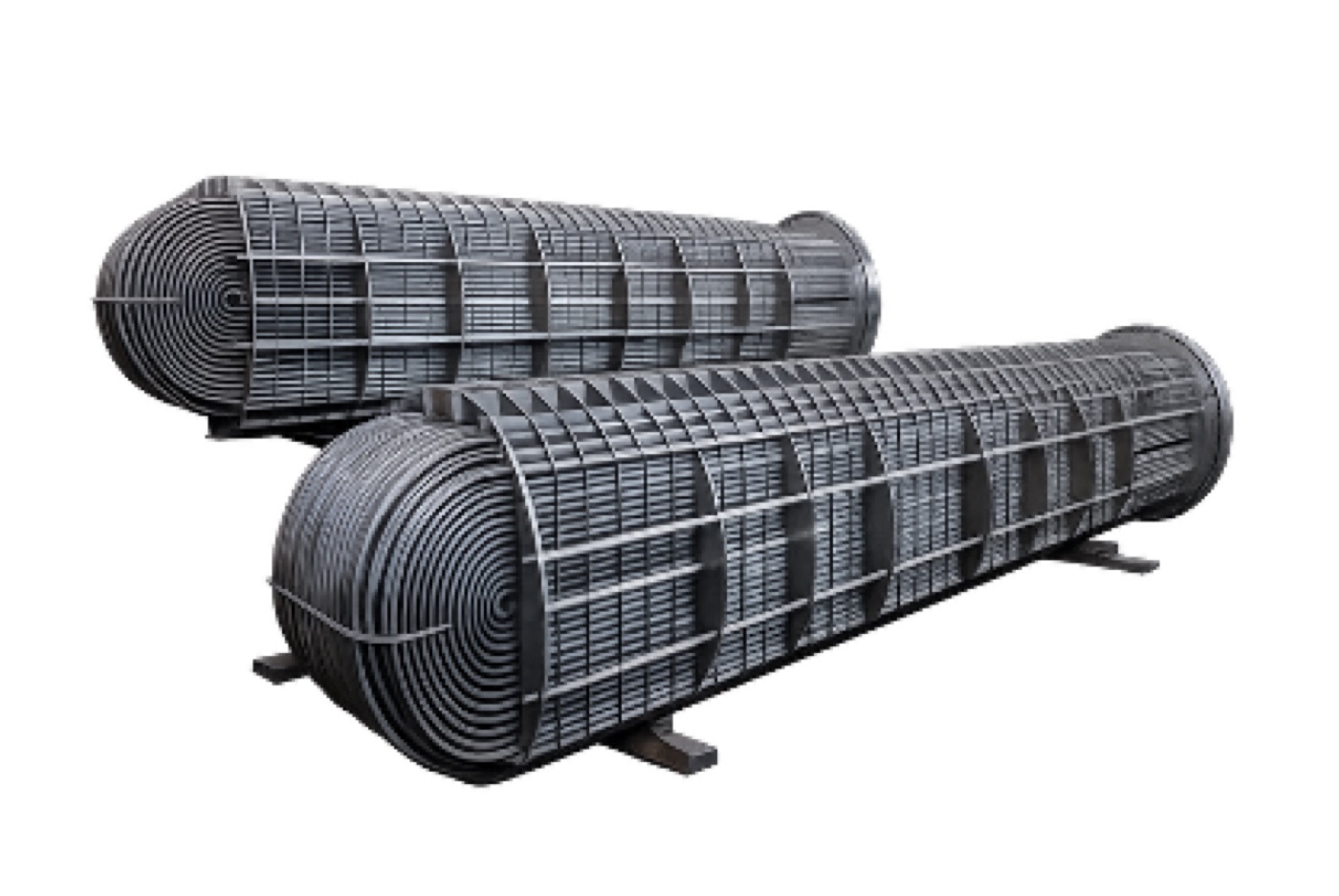
  • Double shell and tube heat exchangers
  • Jacketed piping systems

Skid-Based Systems

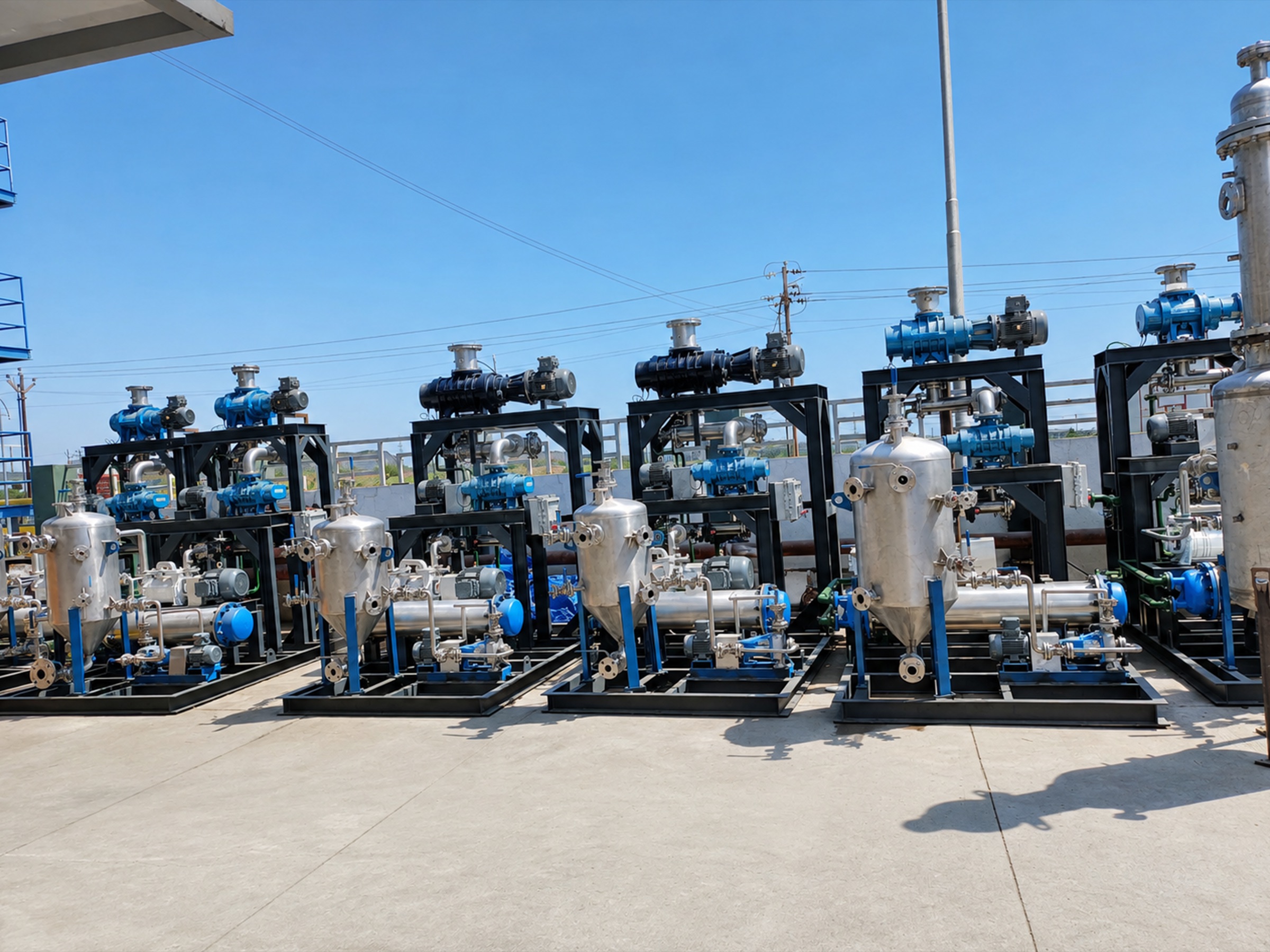
These are pre-engineered, plug-and-play systems built and tested at the factory before dispatch and designed for compactness, mobility, and fast on-site commissioning with zero hot work required at installation.

  • Molded fiber wet end pulping skids
  • Clean-in-place systems for chemical and food processing
  • Agitator skids for pharmaceutical applications
  • Piping skids for brewery and chemical plants
  • Vacuum pump skids for HVAC
  • Double shell and tube heat exchangers
  • Jacketed piping systems
  • PSA plants for oxygen generation
  • Volumetric dosing systems

Sheet Metal Fabrication and Structural Assemblies

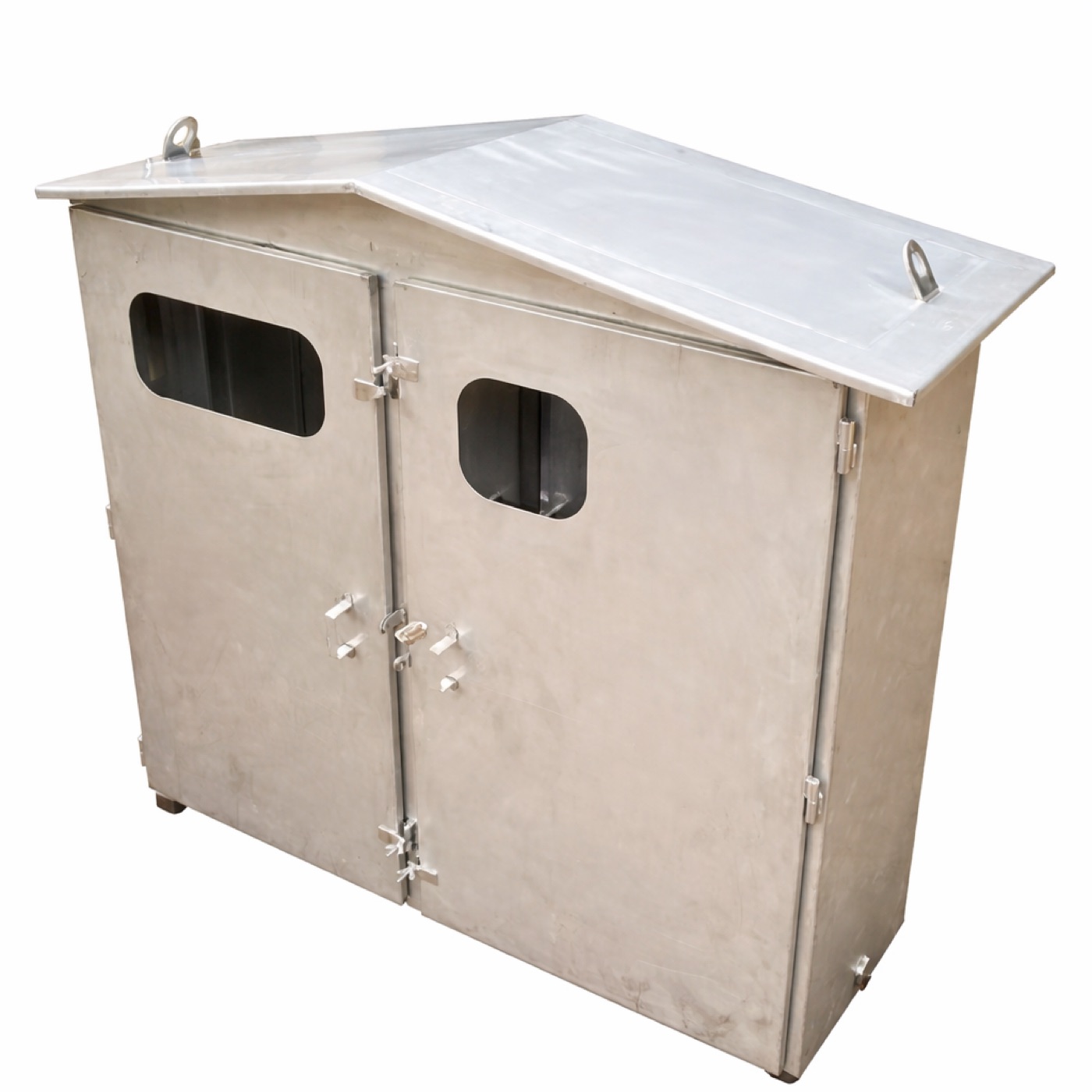
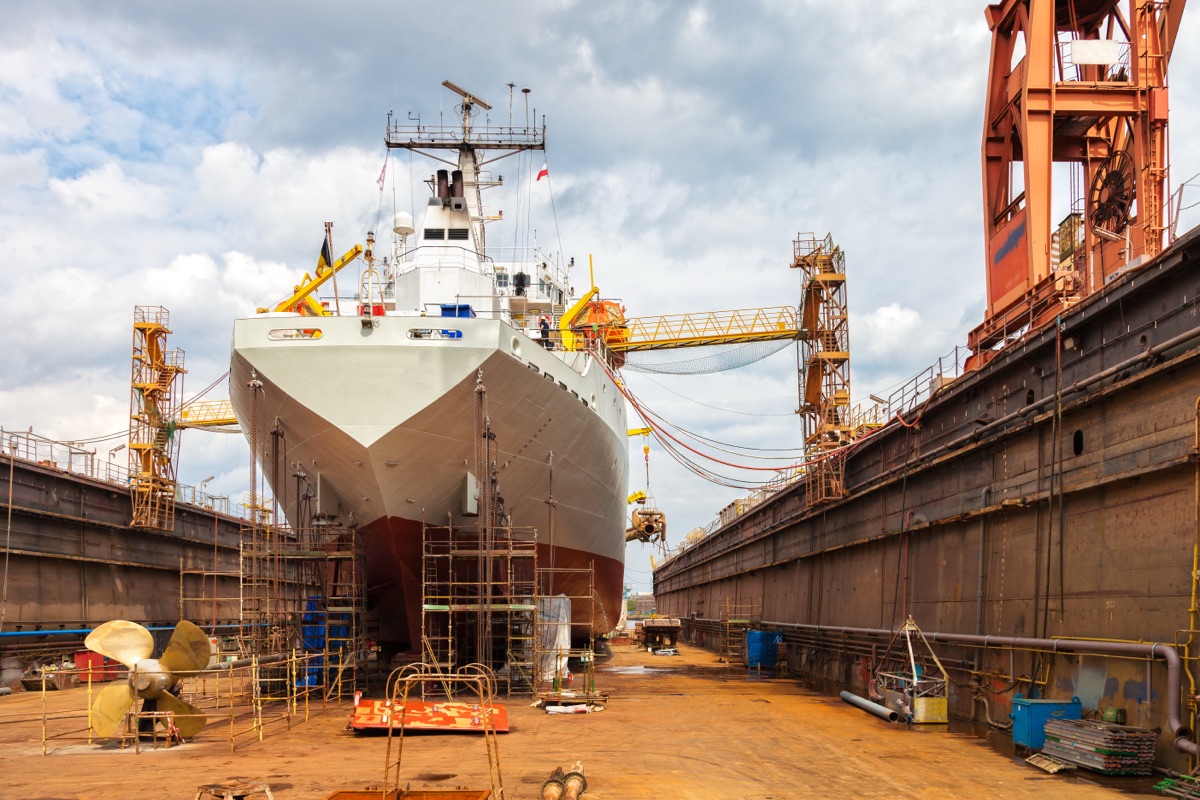
We manufacture sheet metal components and structural assemblies ranging from machine base frames and enclosures to production sub-assemblies and replacement spares. Parts are produced to drawing with controlled tolerances, consistent geometry, and surface finish requirements matched to the application and operating environment.
Structural elements
  • Machine base frames
  • Mixing tables for industrial kitchens and packaged food lines
  • Automobile testing tunnels
  • Reservoir tanks for cooling tunnels
  • Jacket piping and roller shafts for chocolate processing machinery
  • Washing boxes for automobile lines
Sub-assemblies
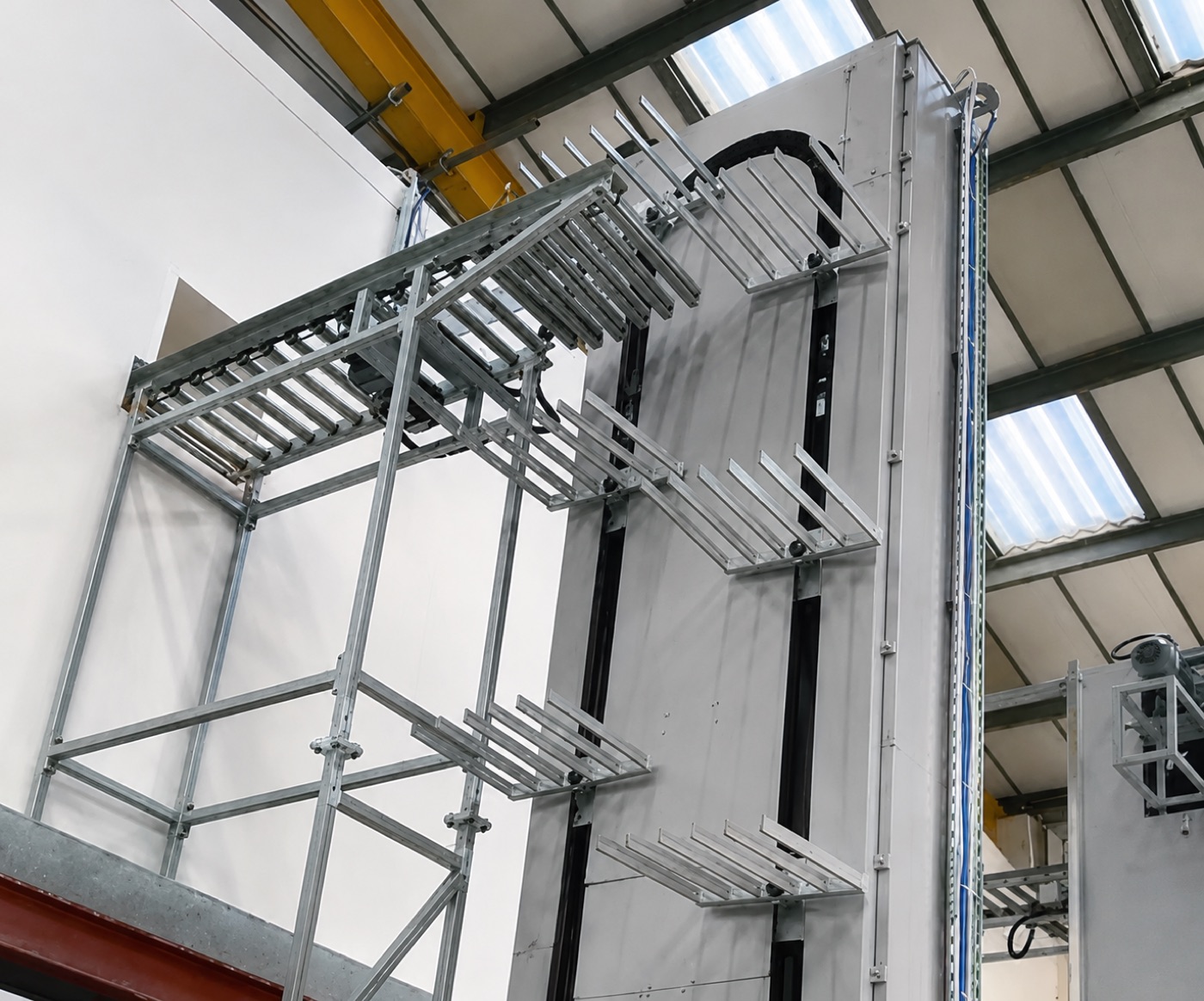
  • Dimple beds for cooling tunnels
  • Exhaust hoods
  • Reservoir frames for belt washers
  • Tank fabrications and frames
Spares and consumables
  • Crimp wheels for packaging machinery
  • Industrial knives for food processing
  • Nozzles, reducers, flanges, and agitators
  • Tee handles and replacement components for processing equipment

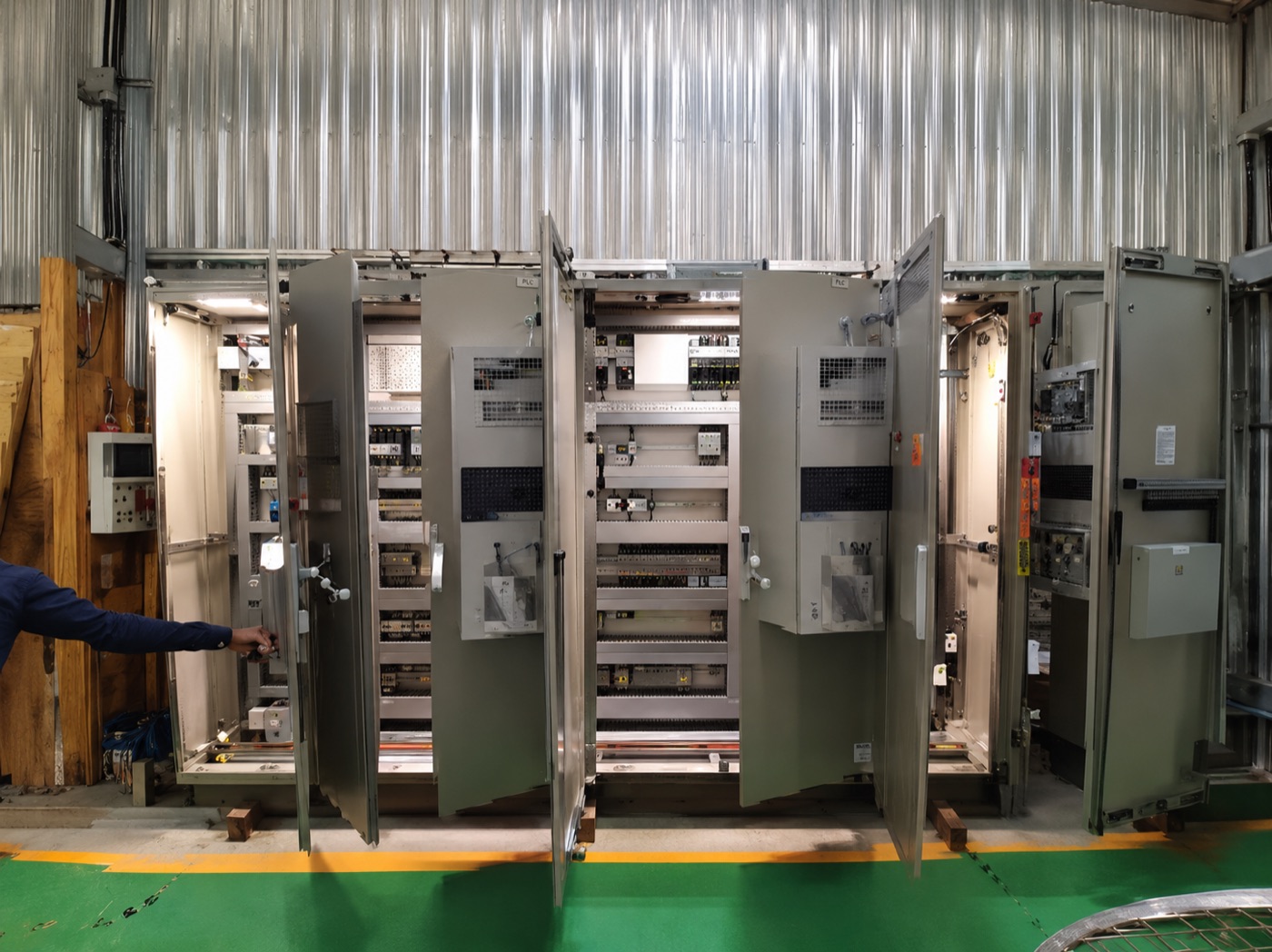
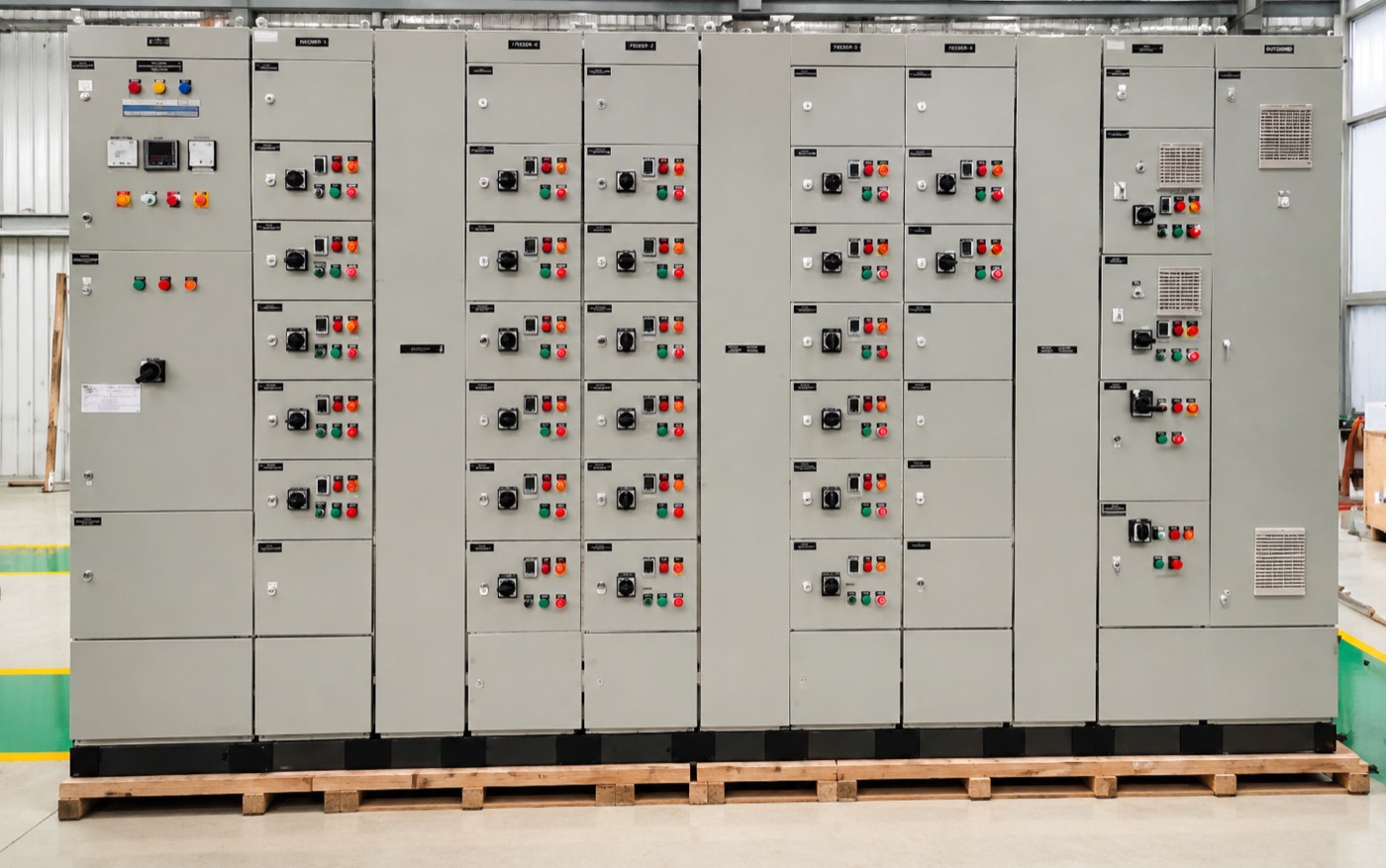
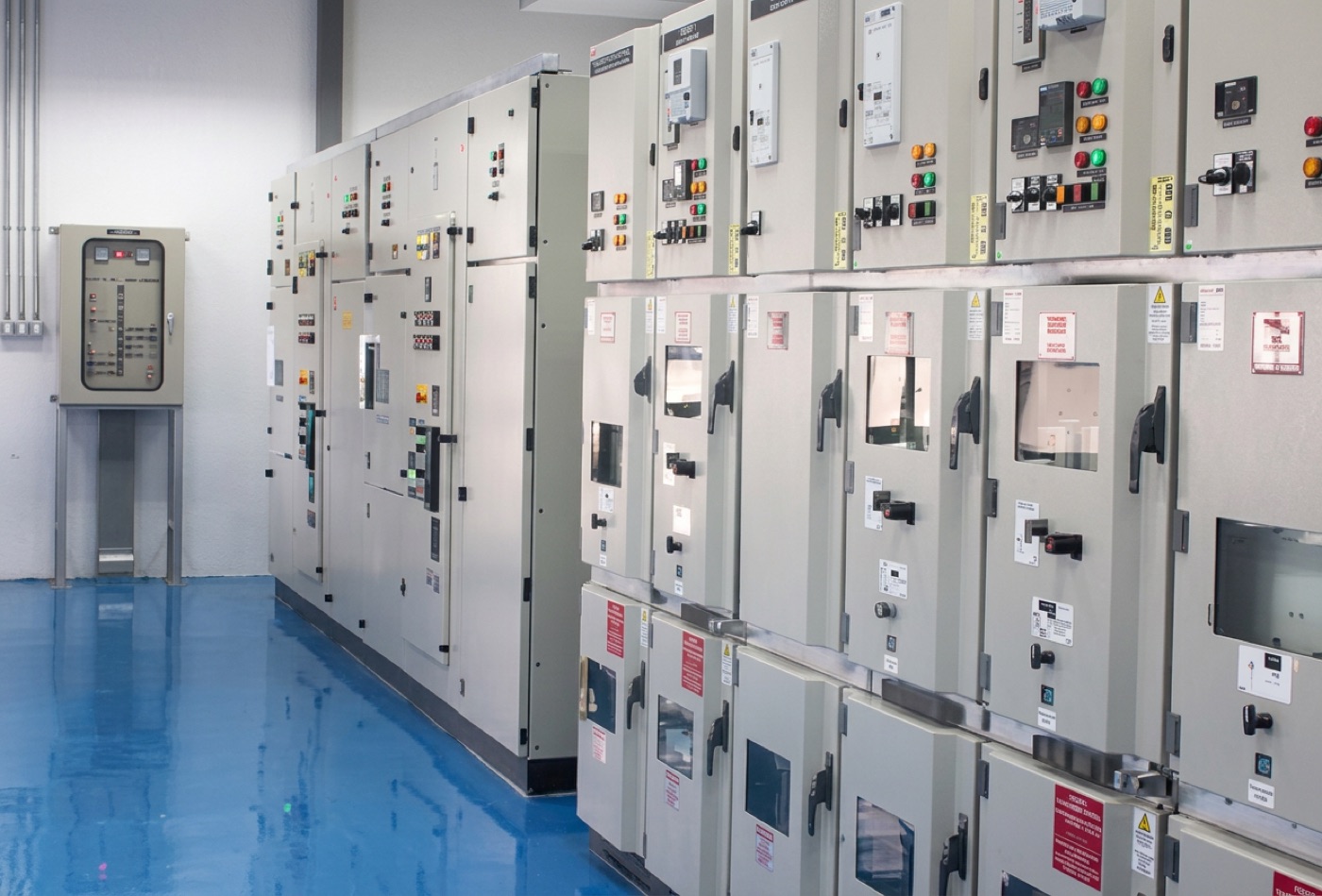
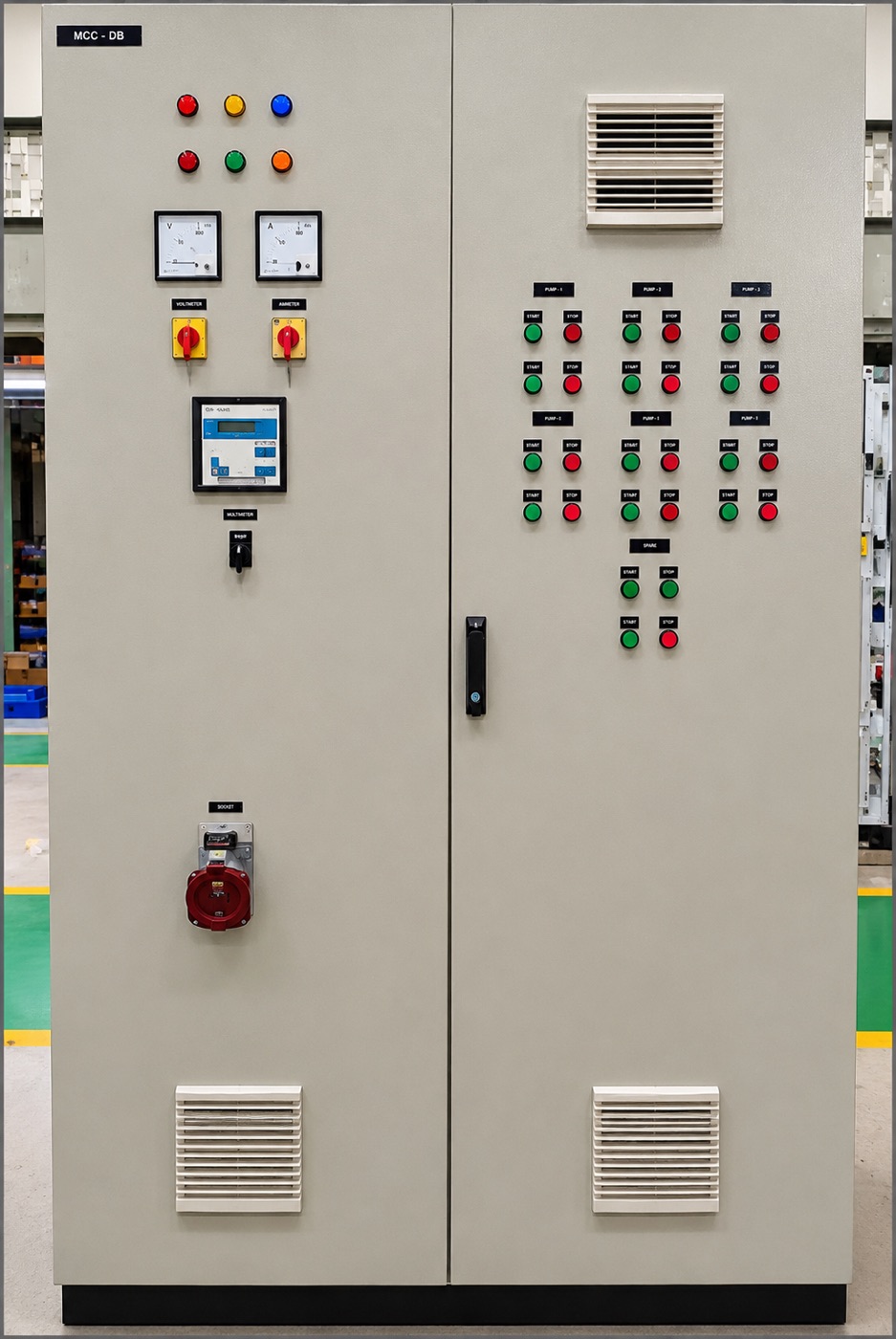
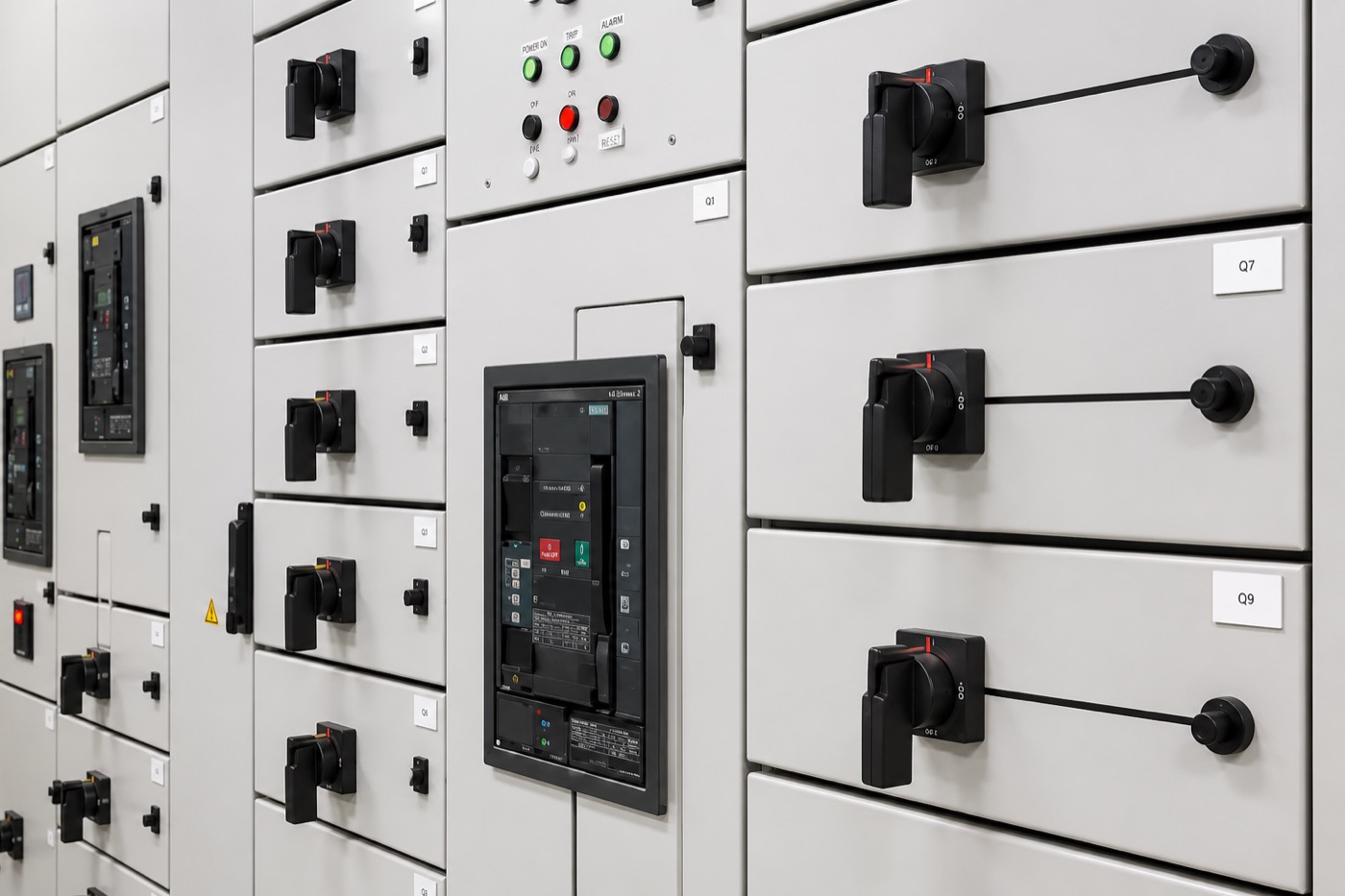
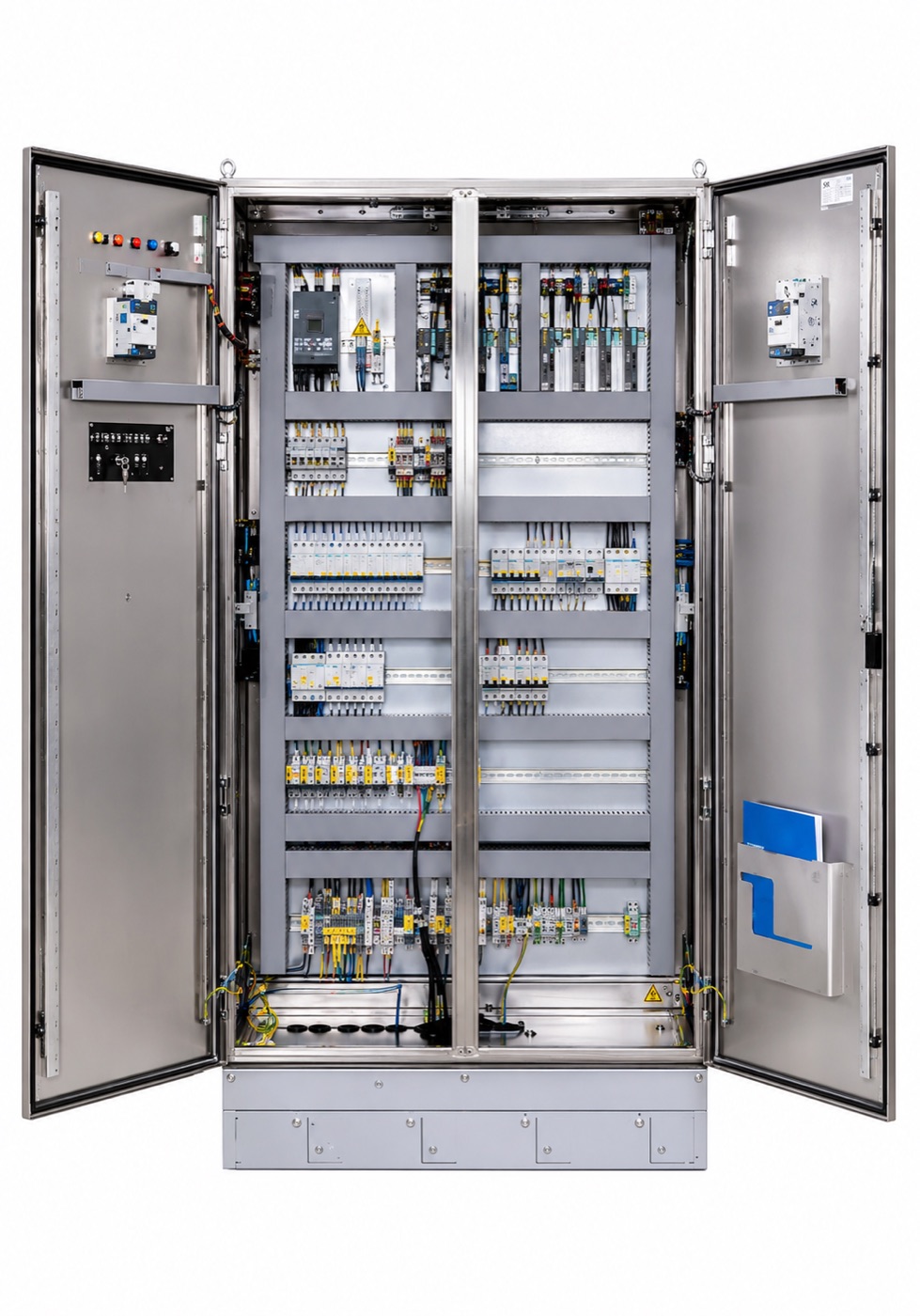
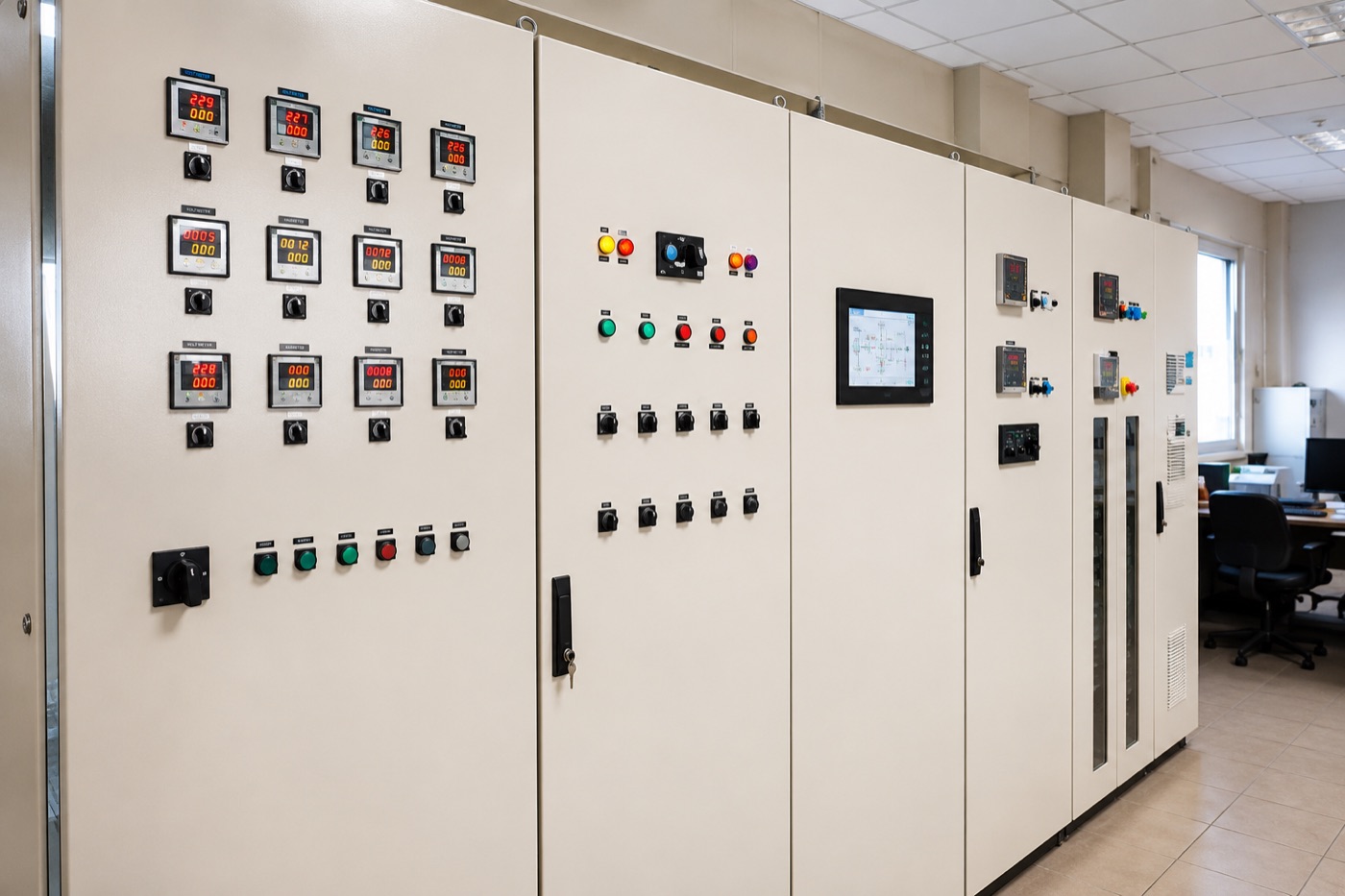
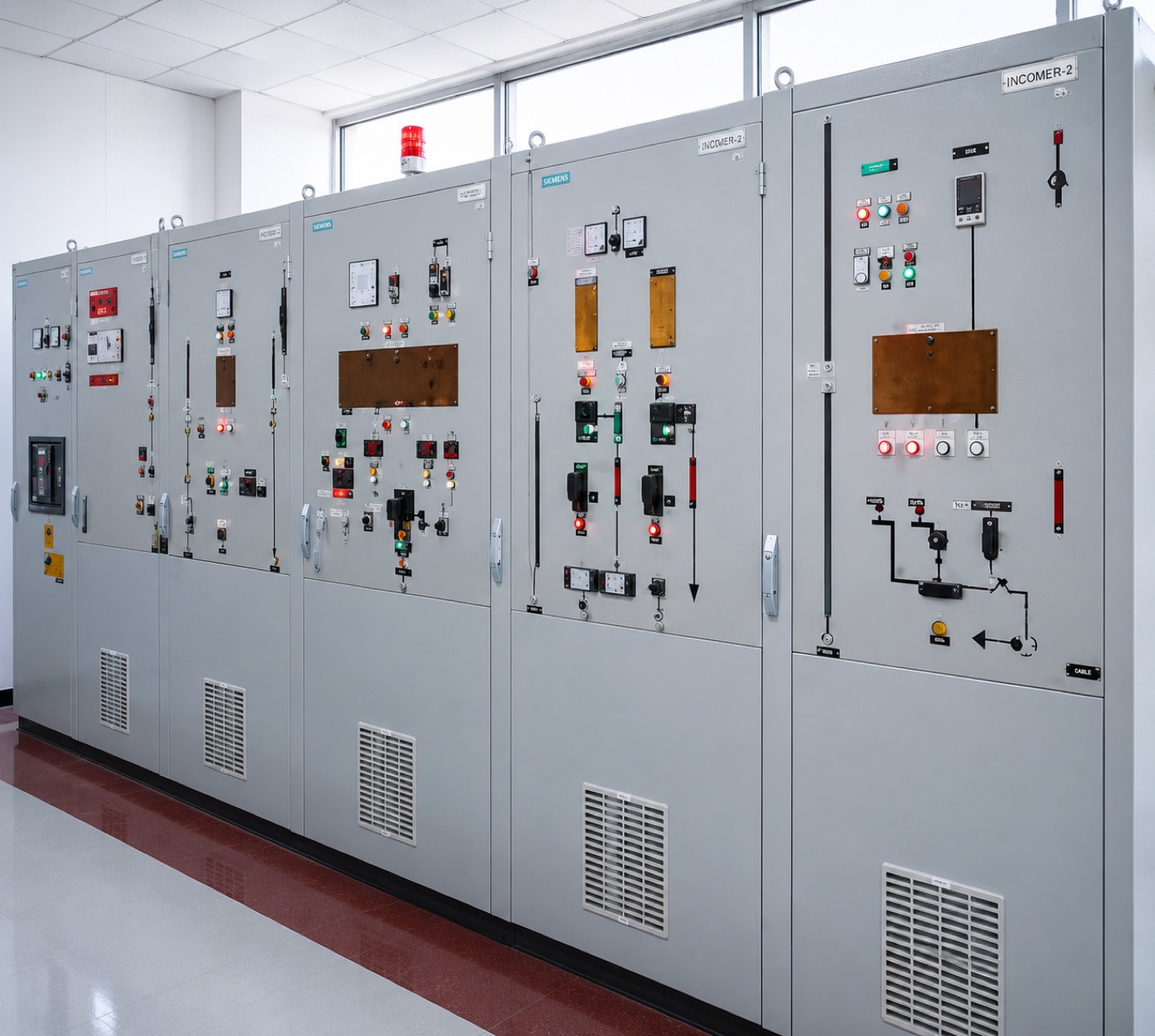
Electrical Panels and Control Systems

Our electrical panels and control systems are designed, built, and programmed in-house for industrial and commercial applications. Panels are assembled, wired, and tested before dispatch and are built to application-specific electrical standards including IEC, ISO, and CE.

  • Protection panels
  • Power control centers
  • Distribution and metering panels
  • Switchgear panels
  • Control panels with programmed PLCs and HMI design
  • Control units and PCBs for batteries, control circuits, and industrial systems
  • PCB NRE for custom control circuit development

Automation and Special Purpose Machines

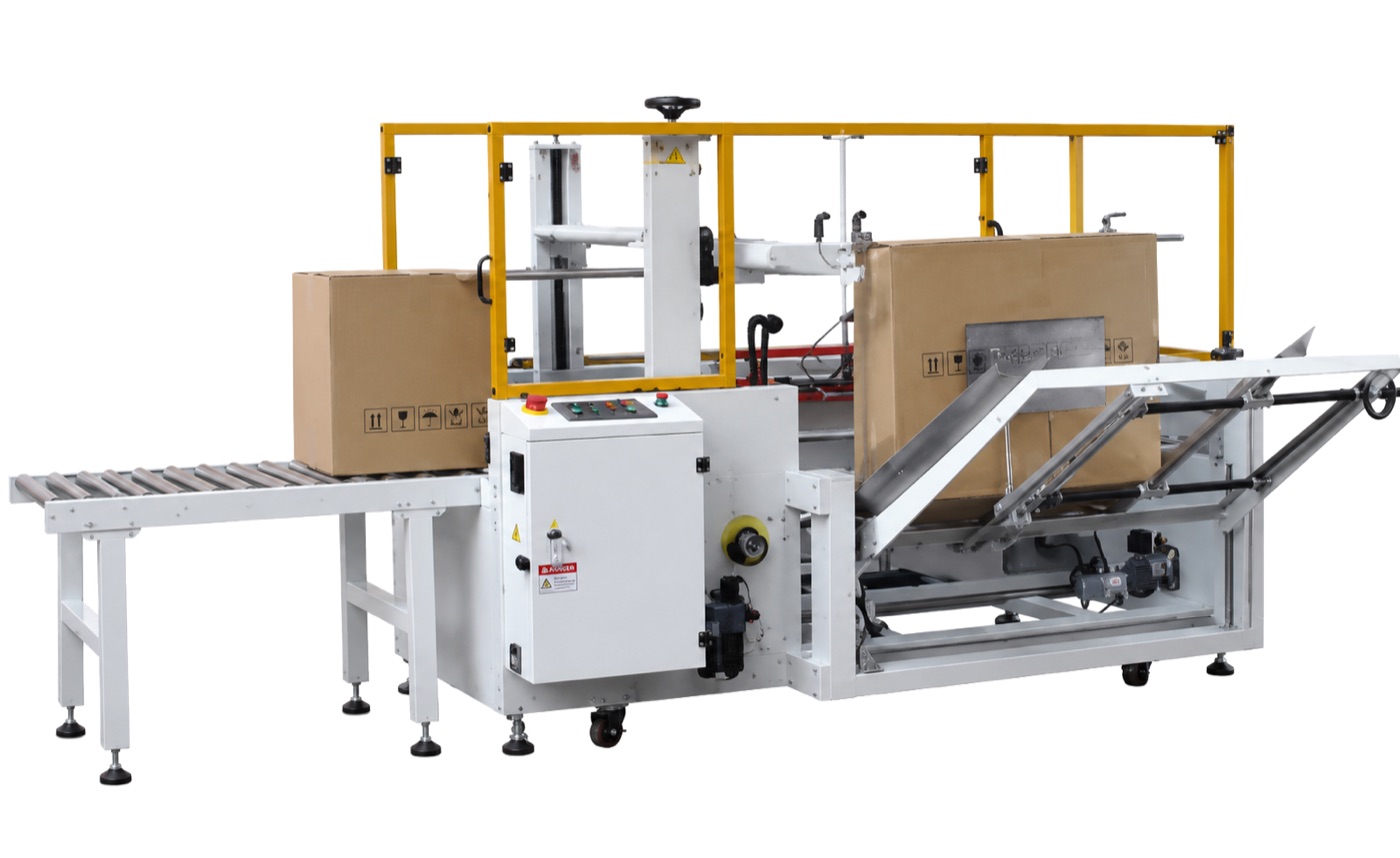
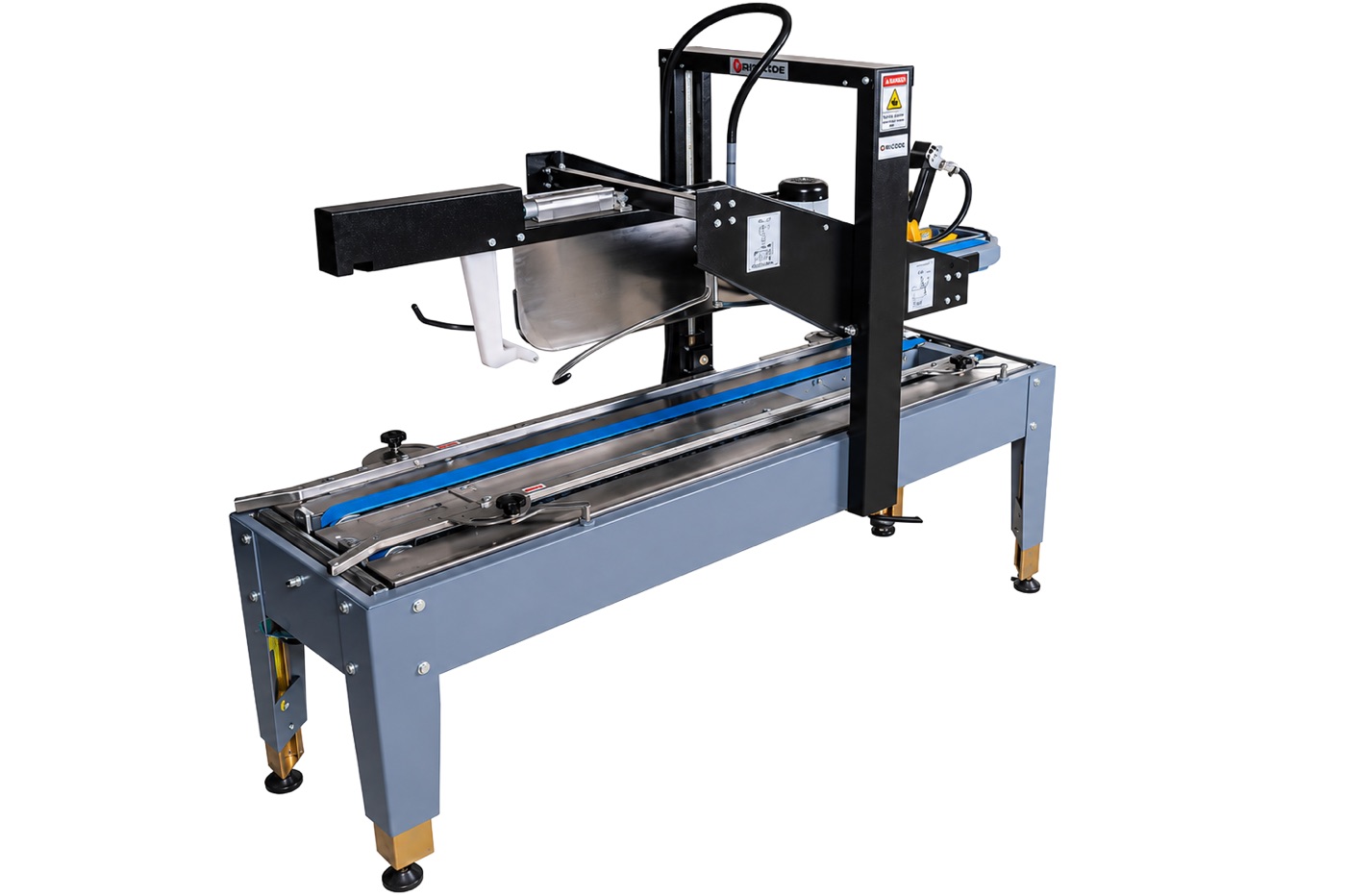
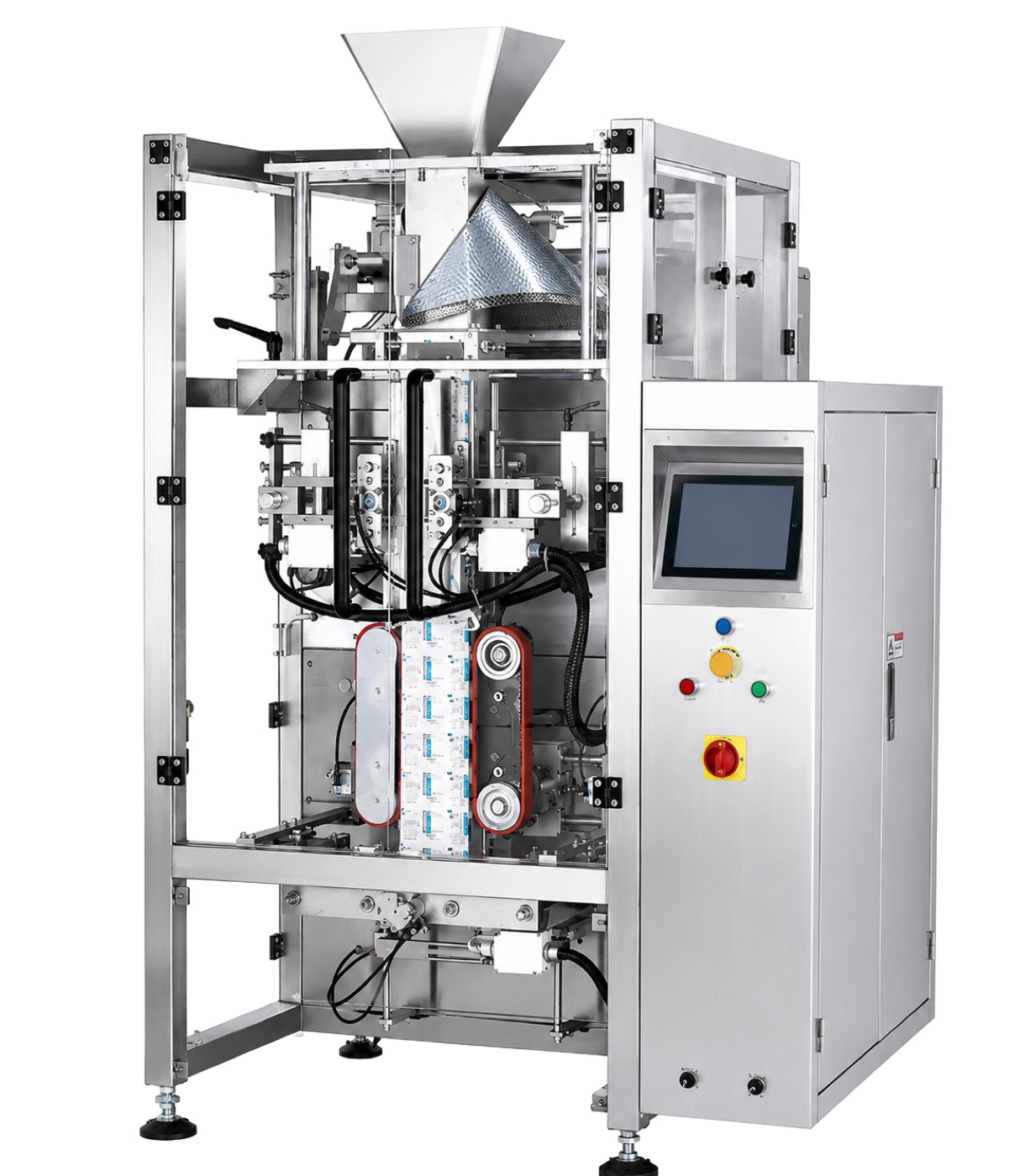
Our custom-built automated assemblies and special purpose machines are designed to reduce manual intervention, improve throughput, and maintain process consistency across production environments.

  • Assembly automation systems
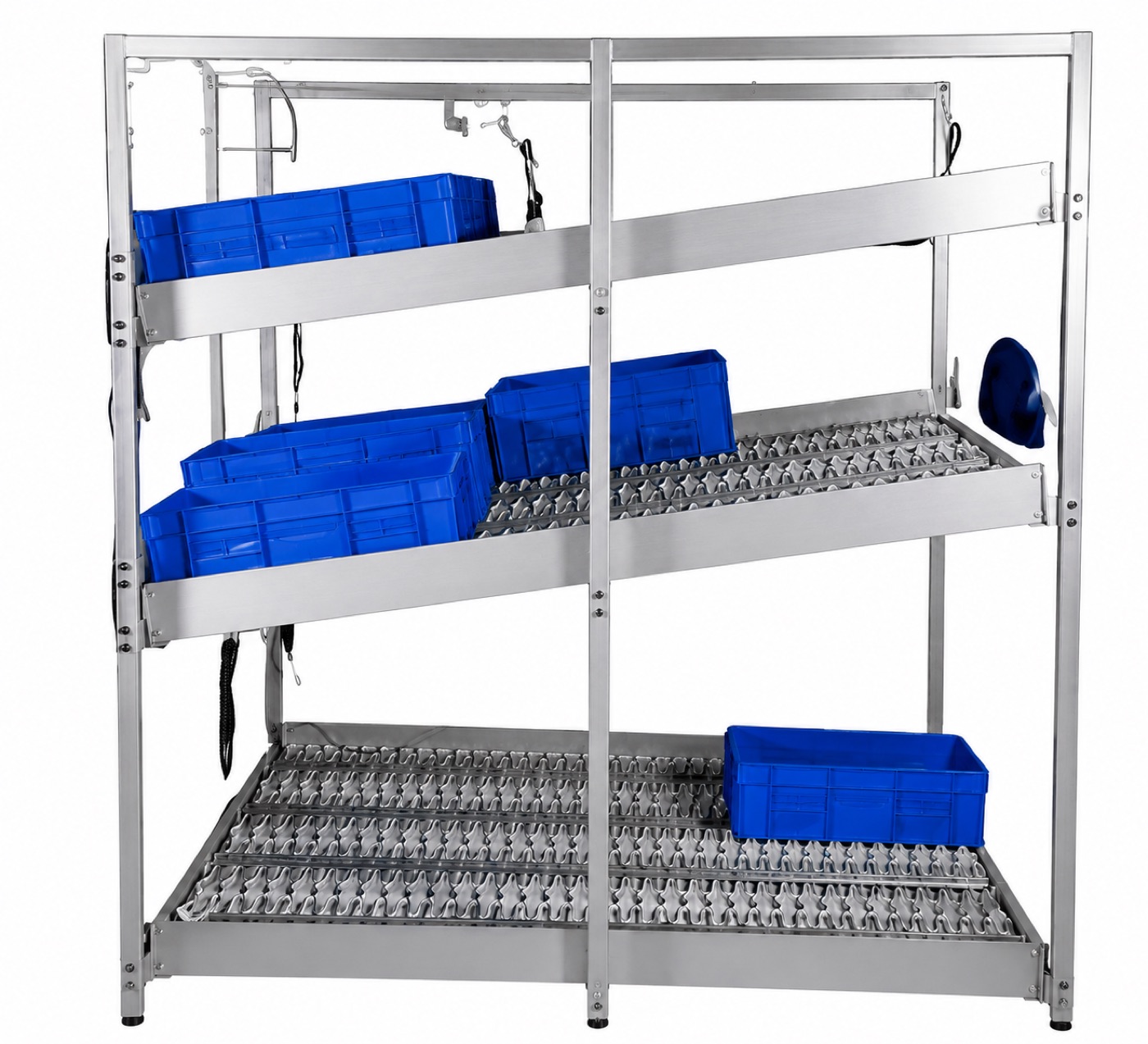
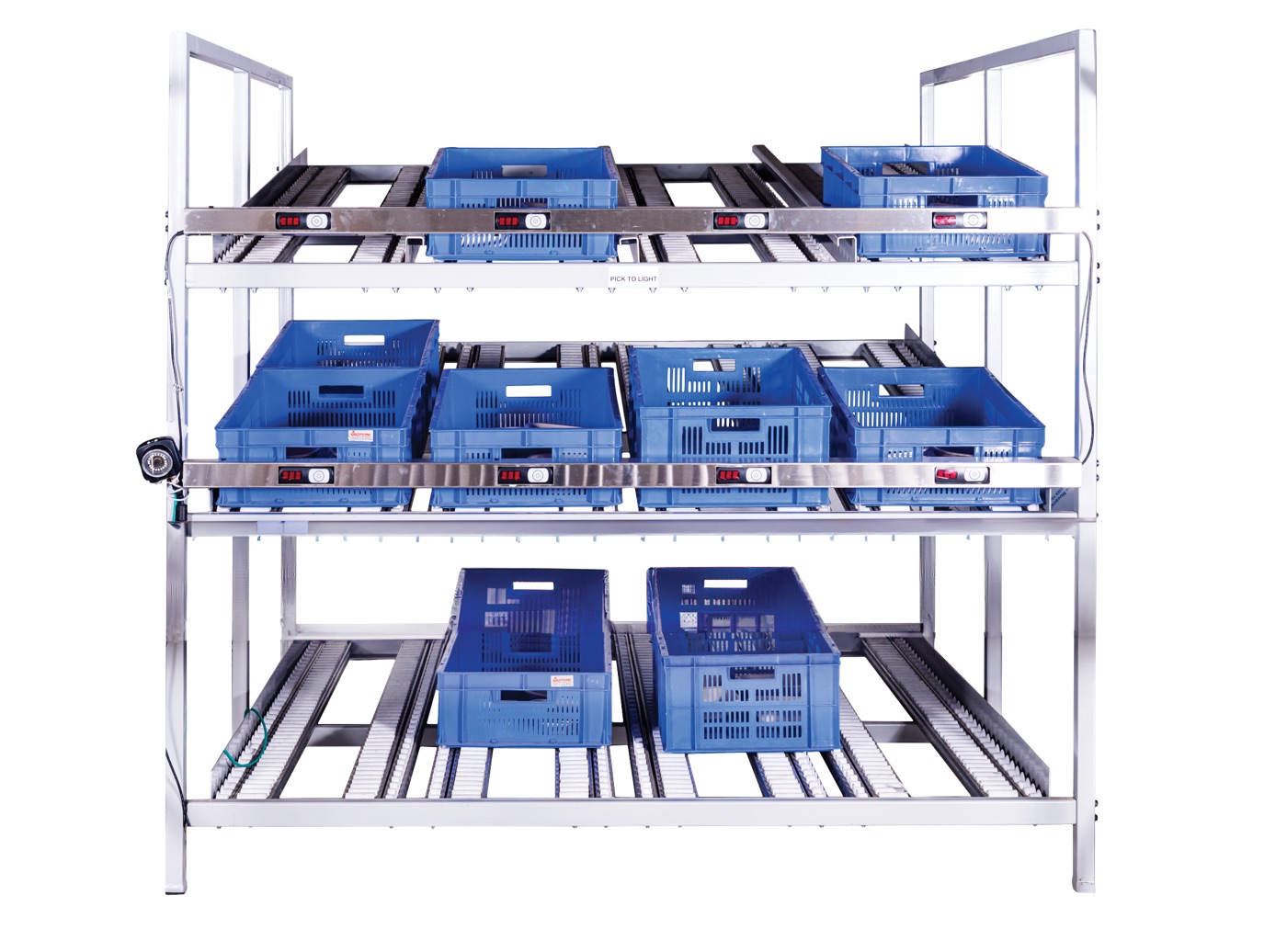
  • Warehouse automation for picking operations
  • Fillet rolling machines for fasteners
  • Automated meal preparation and portion control lines with PackML-compliant printing and labelling
  • Pick-to-Light automated case packing systems
  • CE-certified ergonomic production lines with integrated check weighers and metal detectors

HVAC Systems

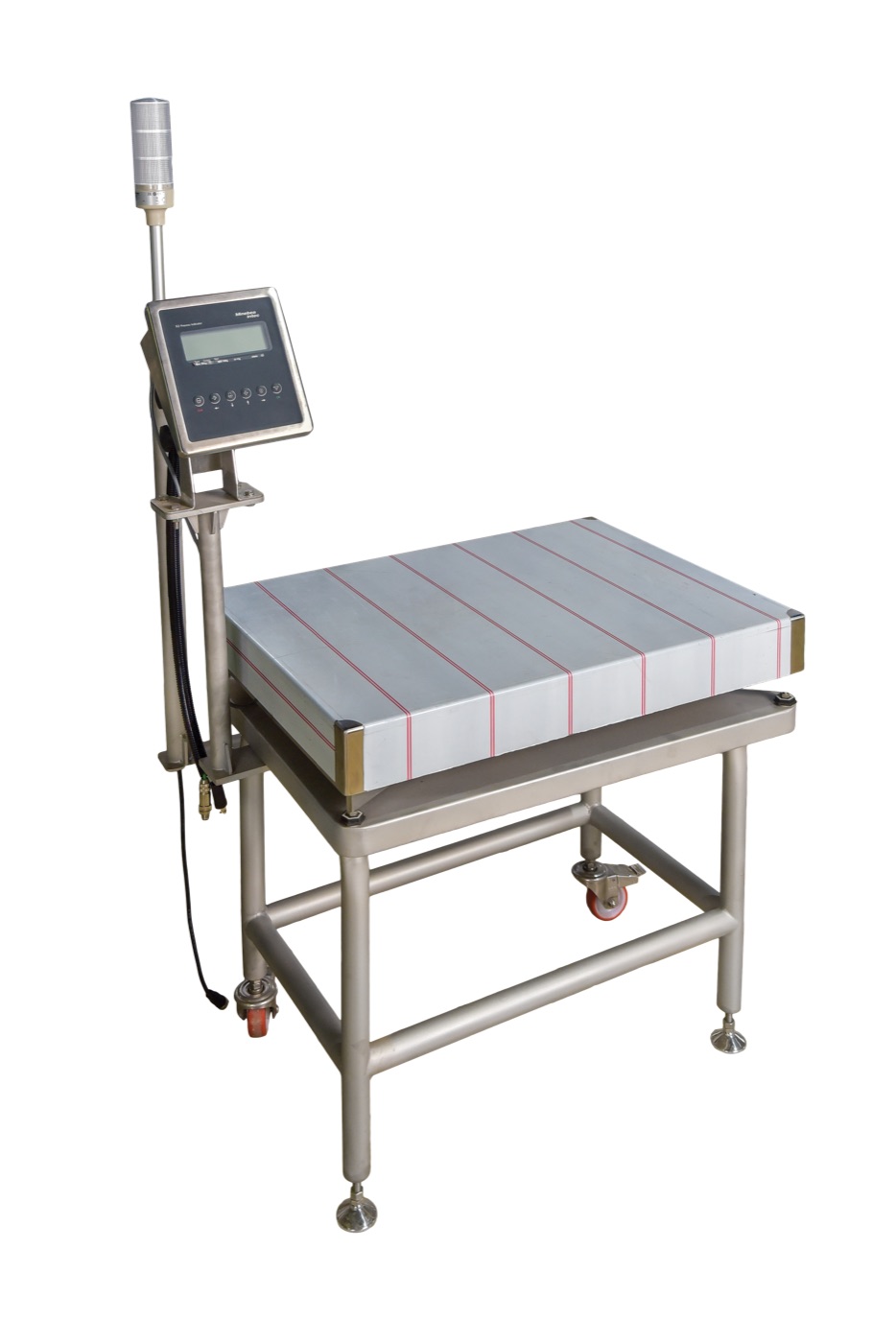
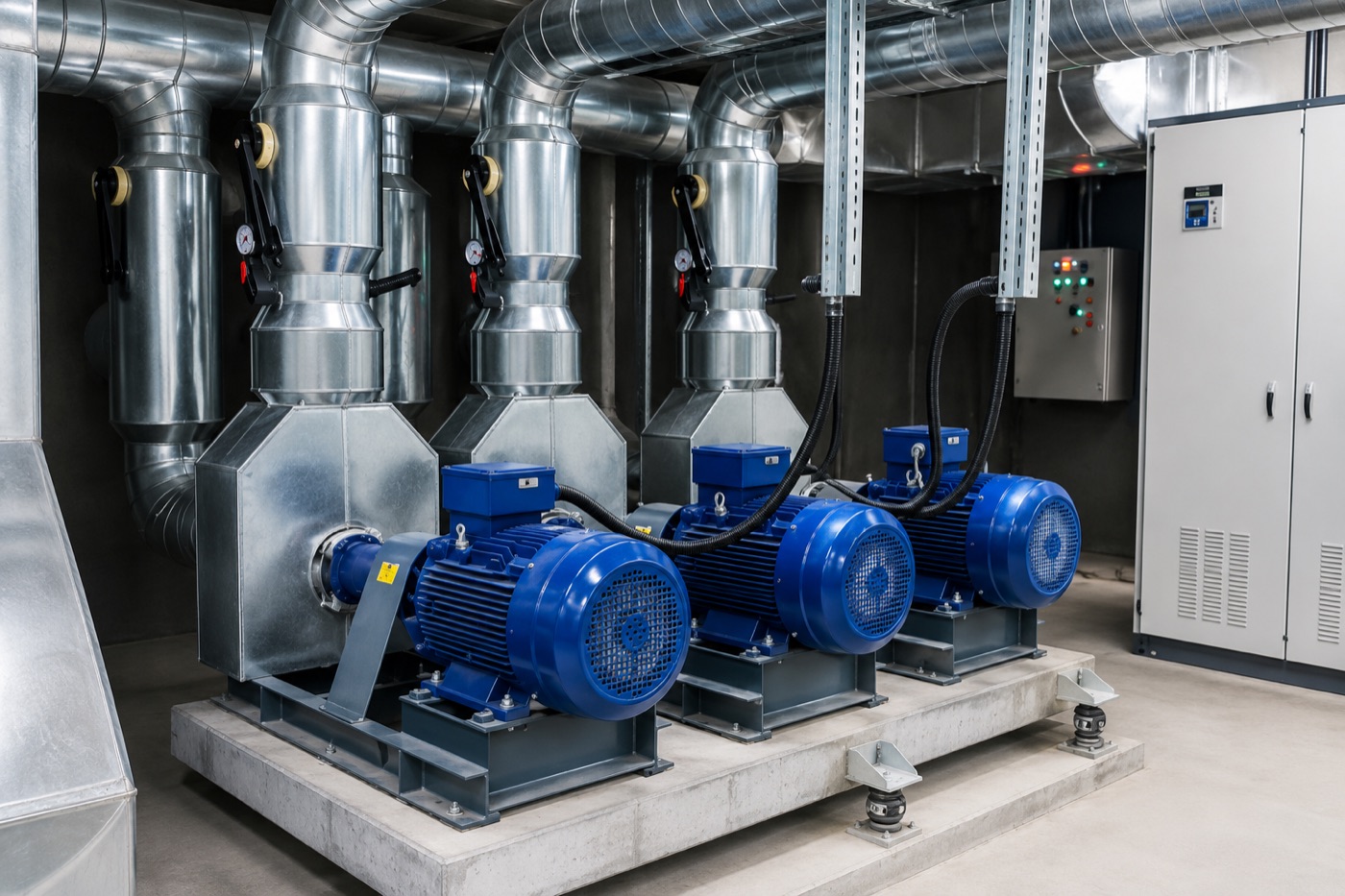
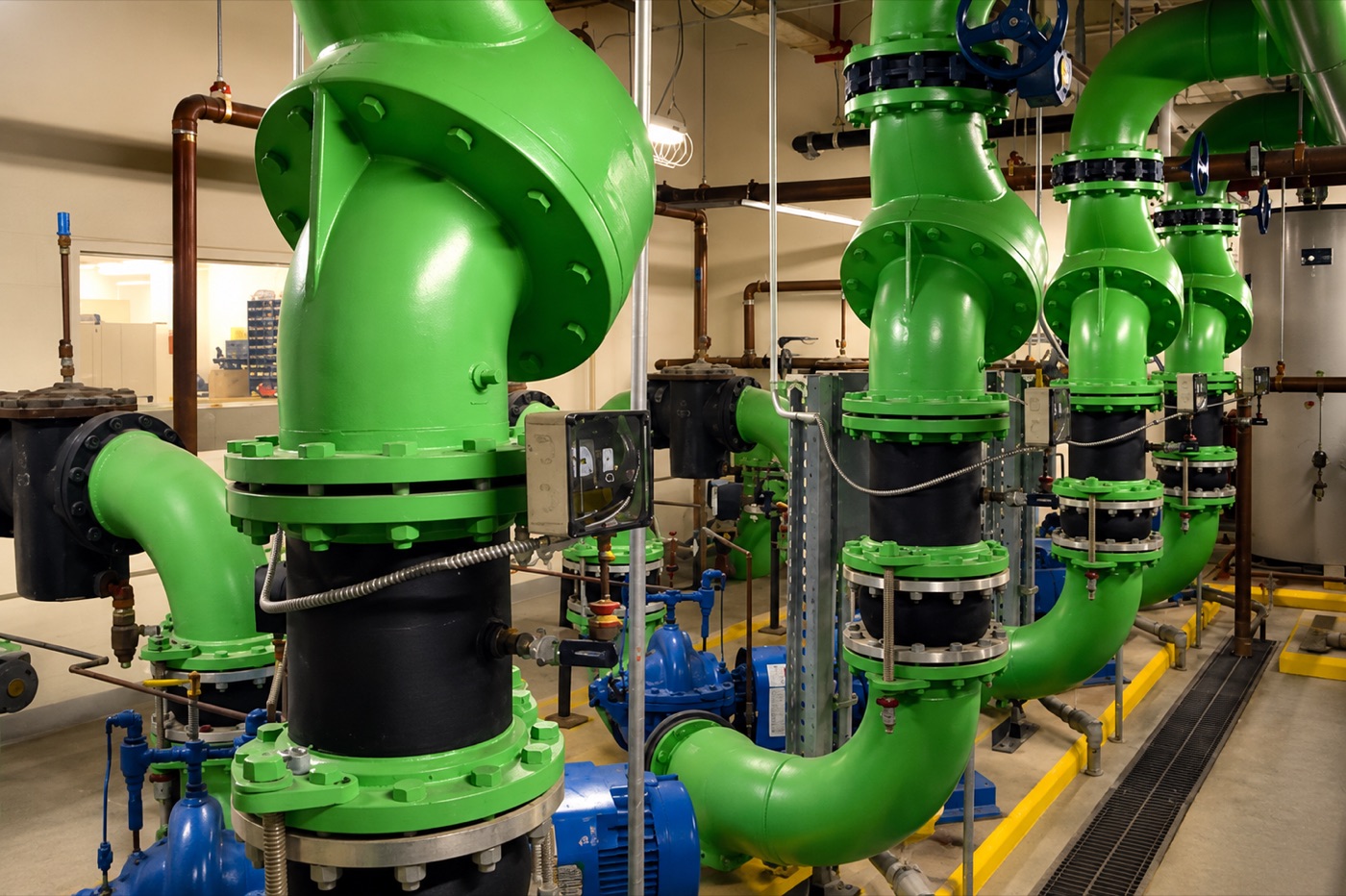
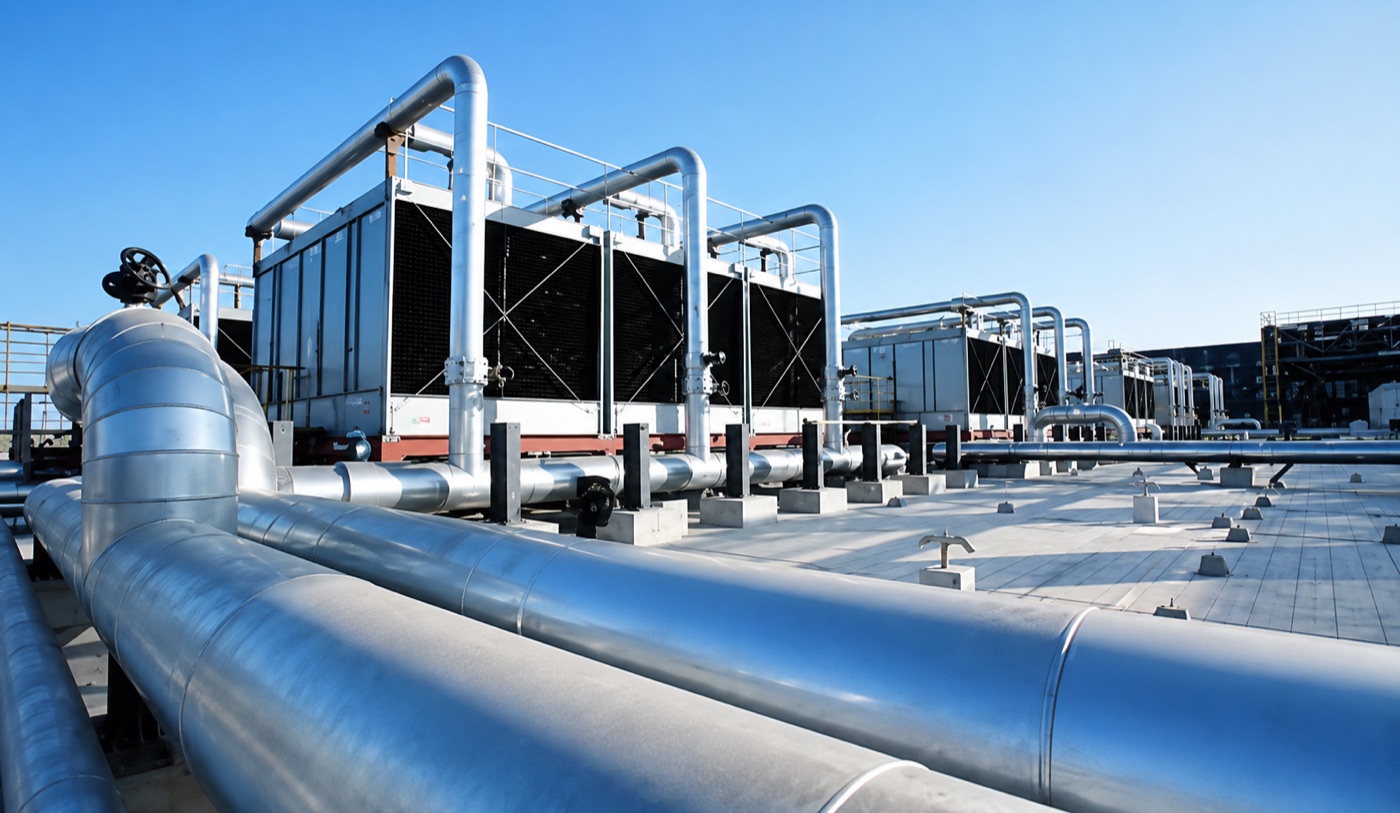
We fabricate and assemble HVAC systems for industrial and commercial environments that require controlled temperature and humidity across continuous operations. Systems are built for continuous operation and delivered ready for installation.

  • Cooling towers
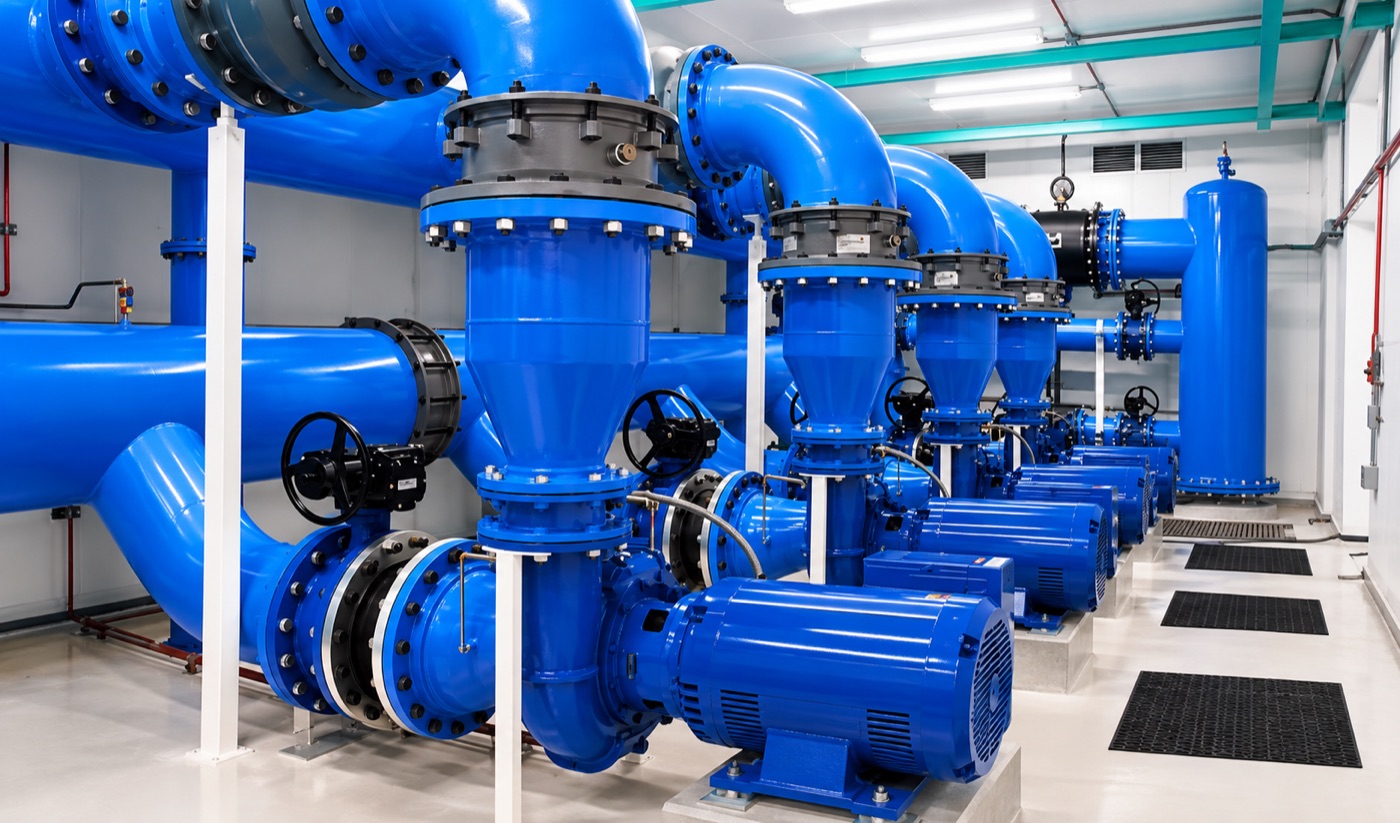
  • Chilled water pumping skids
  • Condenser skids
  • Water booster pump skids

Data Centre Infrastructure

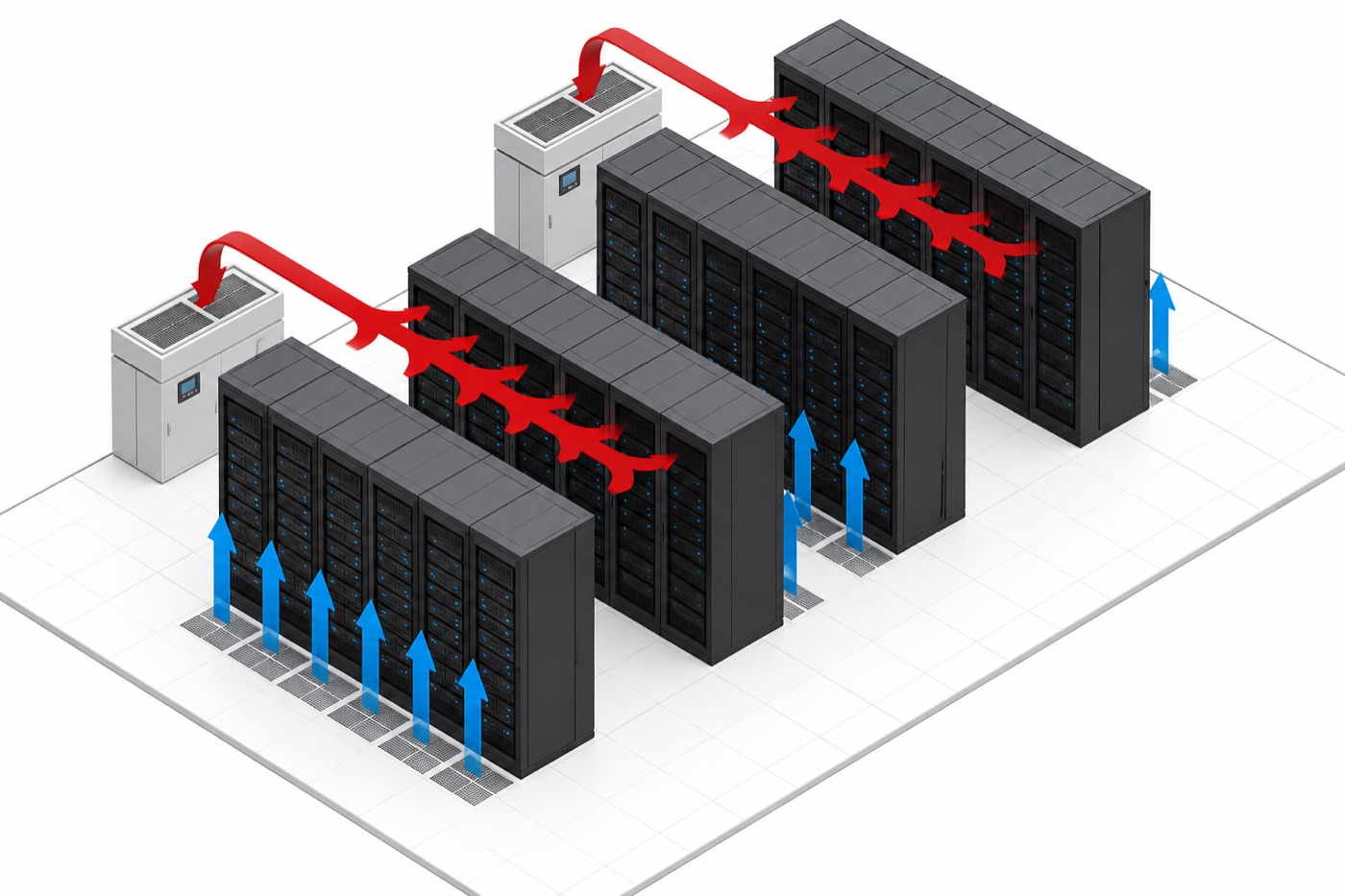
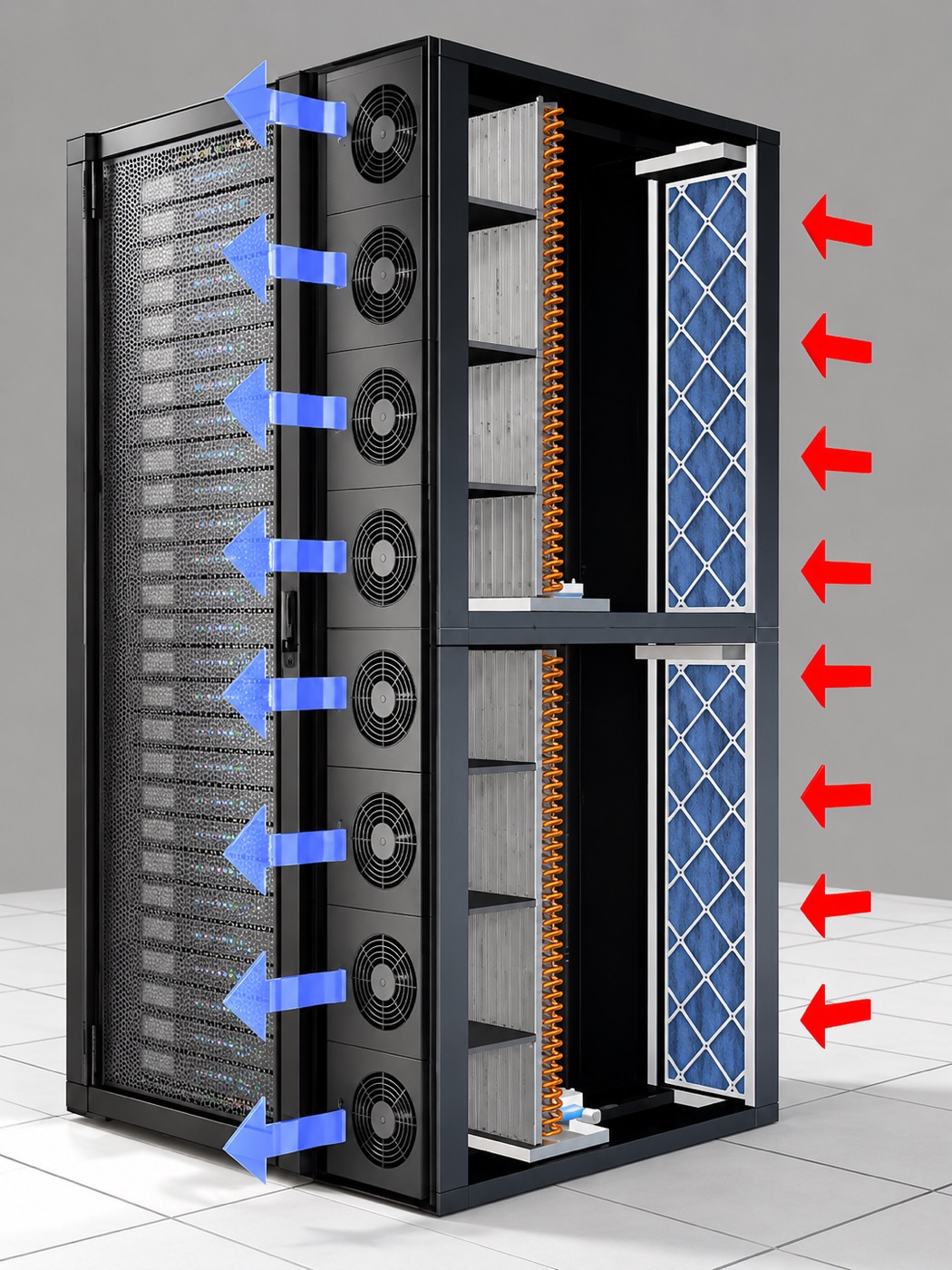
We help with end-to-end fabrication and fitout solutions for data centre environments. All products are built to IEC, ISO, and CE standards and are designed for precision, scalability, and long service life.

Racks and cabinets
  • Open frame racks
  • Server cabinets
  • OCP racks
  • Soundproof server racks
Interior works
  • Raised flooring systems
  • Gypsum and glass partition systems
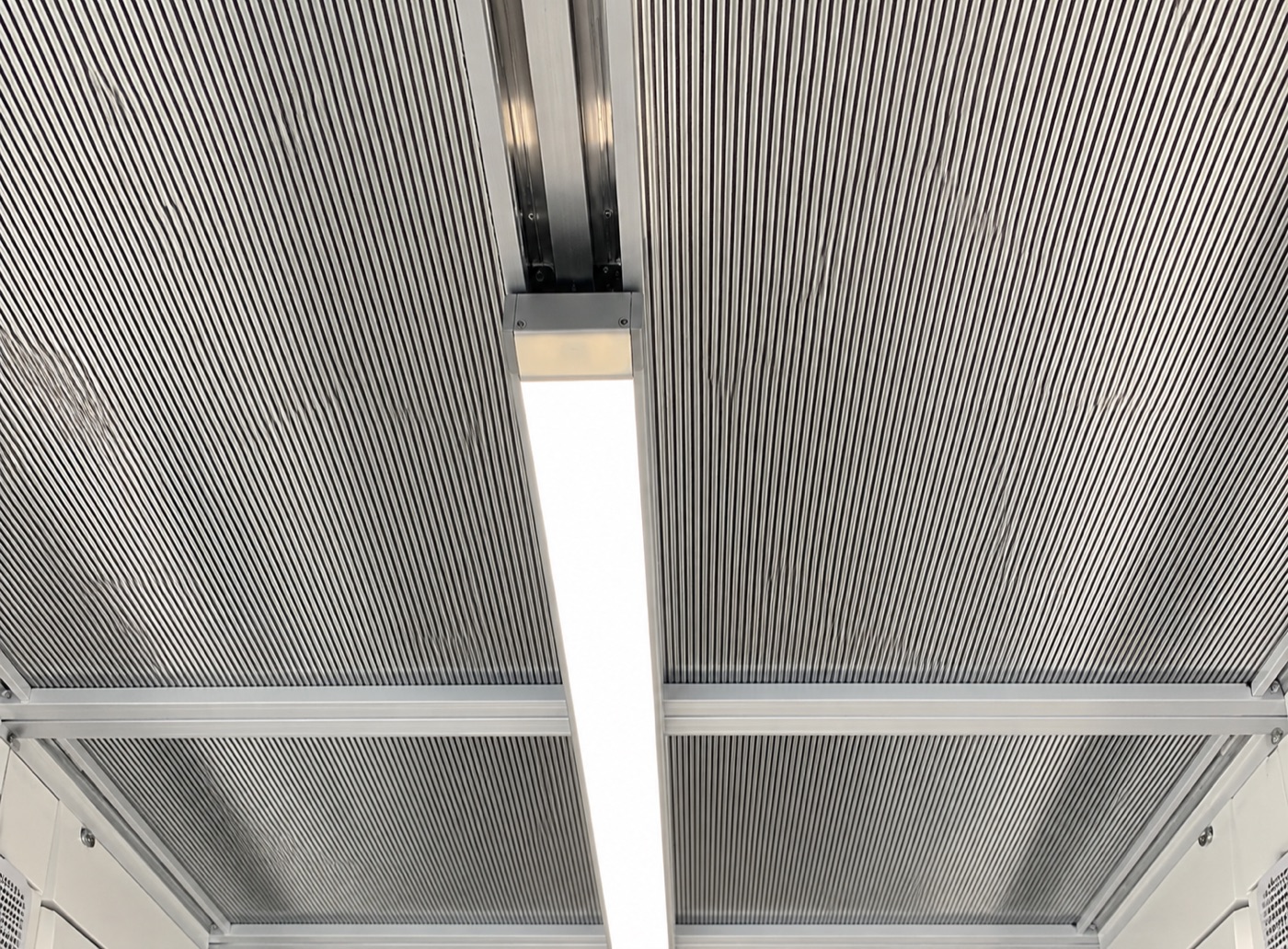
  • Surface mount LED systems
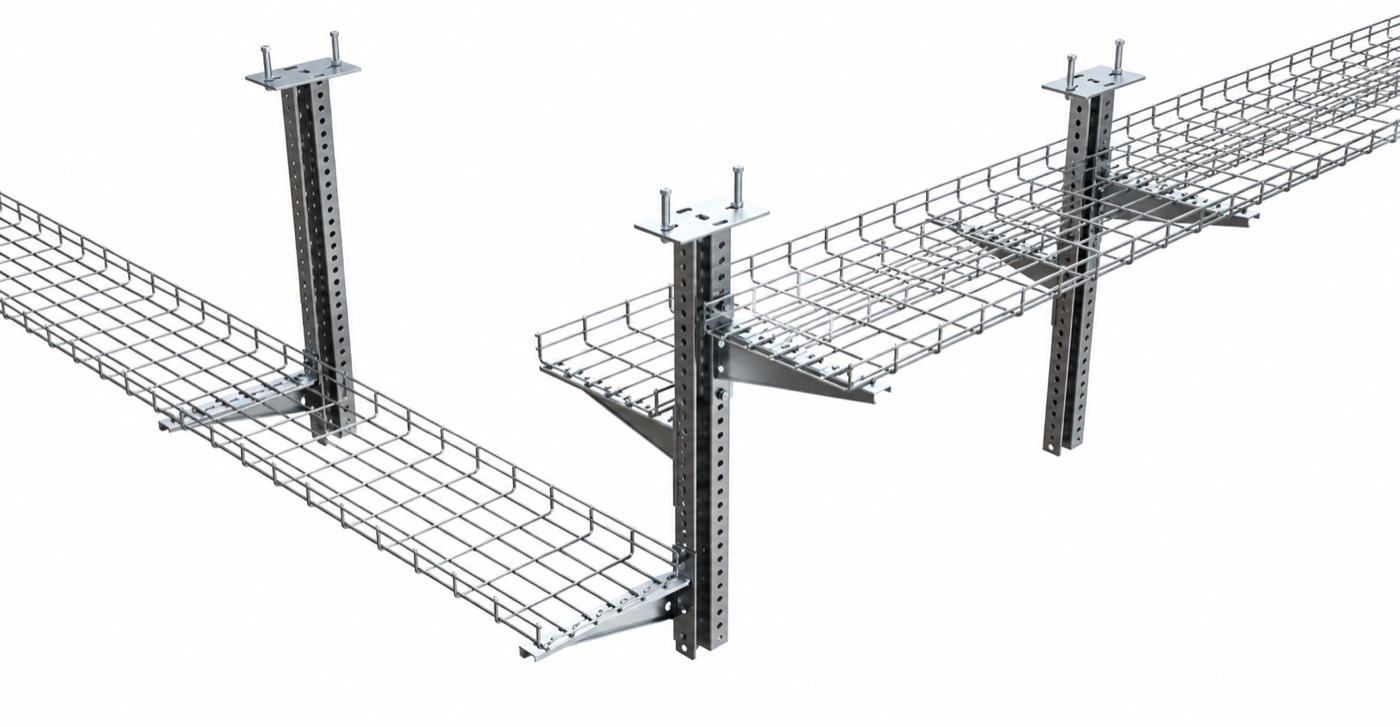
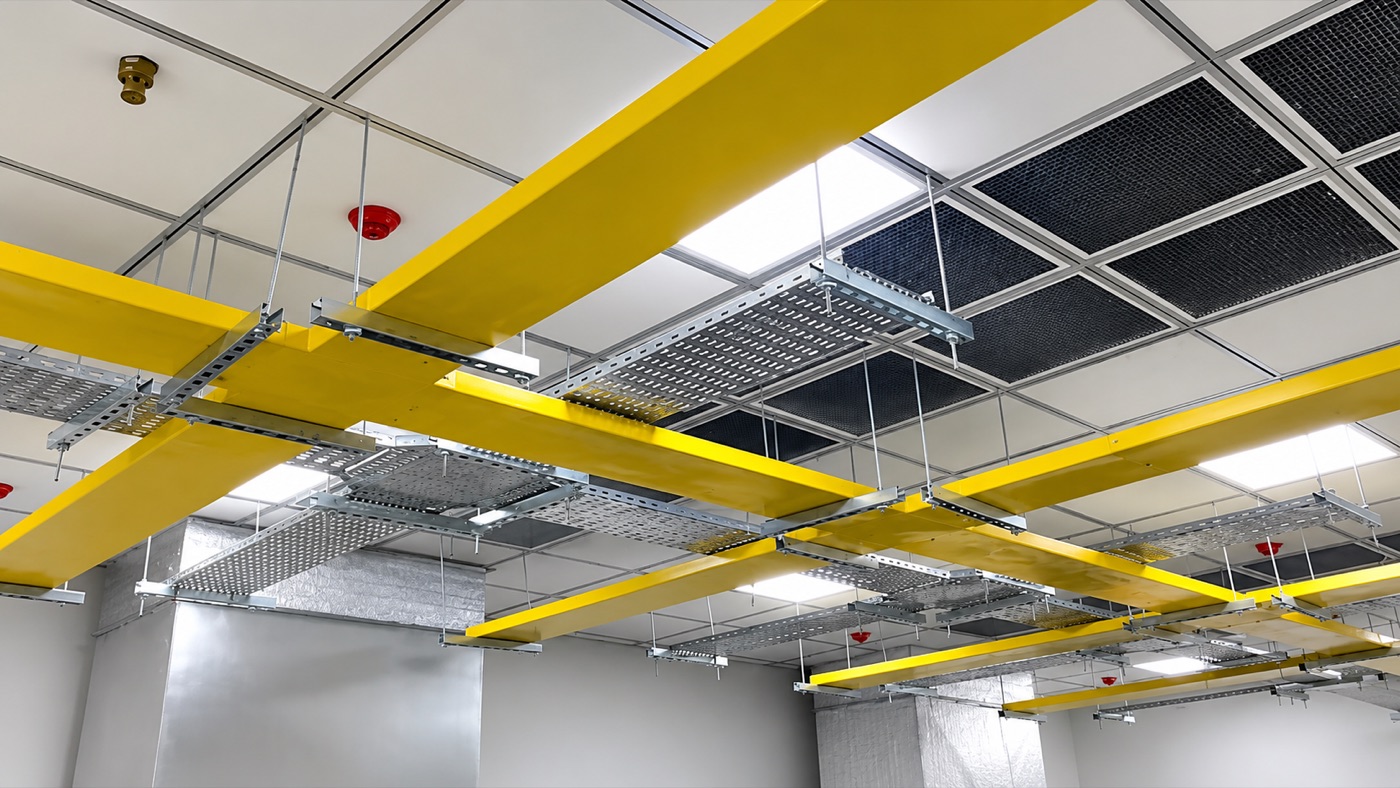
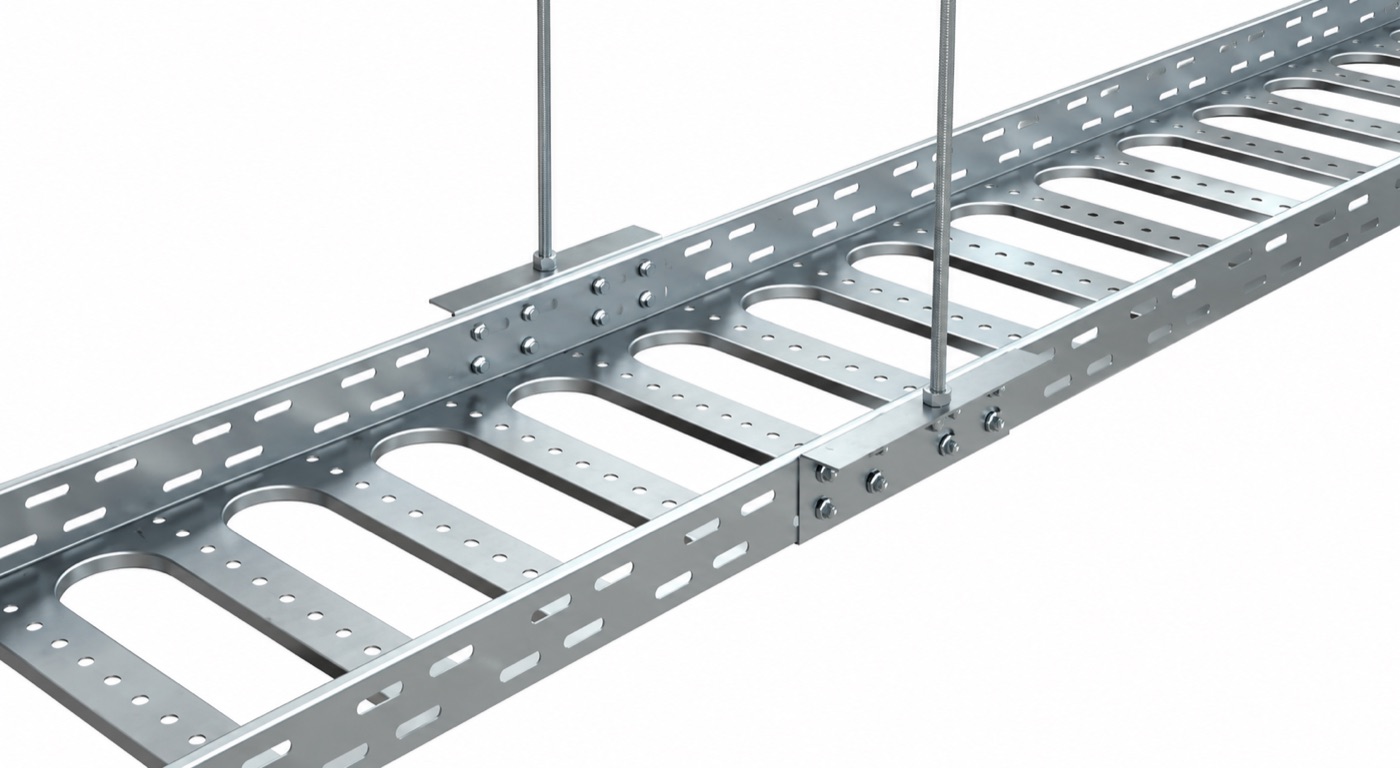
  • Cable tray systems
Safety systems
  • Fire doors
  • Smoke detectors
  • Water mist systems
  • Sprinkler systems
Engineering Results in Action

Precision Fabrication Without Compromising Quality, Compliance, or Delivery Timelines

12 Months → 3 Months
Accelerated Solar Fastening NPD

Accelerated a global solar OEM's fastening development cycle while delivering verified, solar-grade fastening solutions at production scale.

Read the complete case study →
±2 μm Precision
Ultra-Precision at Scale

Achieved ultra-precision fabrication for a global F&B OEM with rapid quoting and complete production traceability.

Read the complete case study →
1M Meals/Month
Automated Meal Prep at Scale

Designed and delivered an automated manufacturing line that increased production capacity fourfold with end-to-end digital traceability.

Read the complete case study →

How We Fabricate Your Parts

Fabrication at Wootz.work is handled as a connected sequence of processes. We review the drawings before production to check bend feasibility, weld access, and material behavior so that issues are resolved before they affect your parts.

Step 01

Cutting

We cut material up to 150 mm thick using laser, plasma, or waterjet depending on the material type, heat sensitivity, and edge quality required for downstream assembly.

Laser cutting
Plasma cutting
Waterjet cutting
Step 02

Bending and Forming

We bend material up to 20 mm thick using CNC press brakes and specialized forming processes to achieve accurate, repeatable geometries across production volumes.

V bending
Roll bending
Coining
U bending
Mandrel bending
Wipe bending
Turret bending
Hemming
Step 03

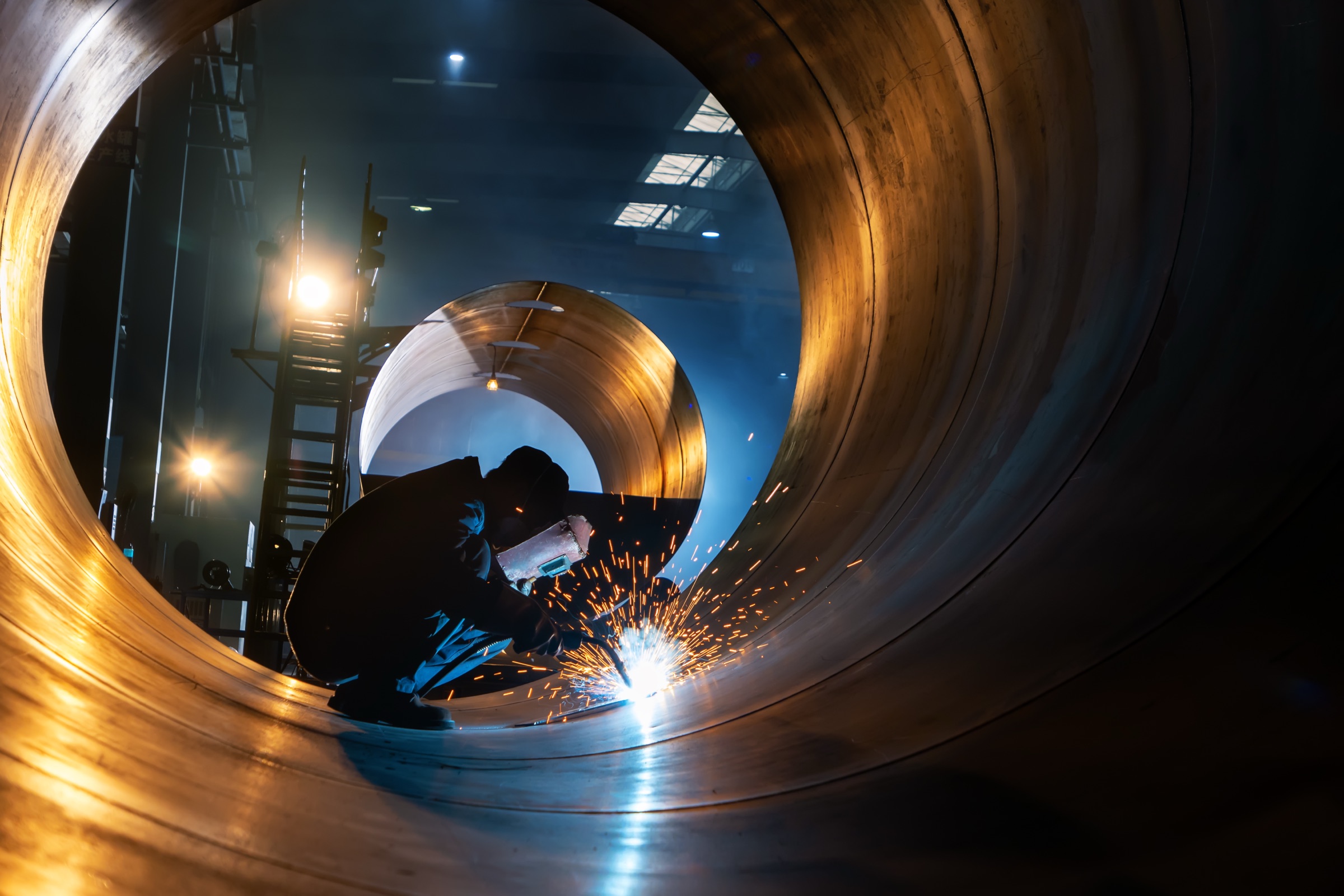
Welding

We perform welding up to 20 mm weld depth using processes selected based on the material, joint configuration, and structural requirements.

TIG welding
MIG welding
Spot welding
Orbital welding
Laser welding
Single-wire welding
Dual-wire welding
Step 04

Machining

We machine fabricated components to tolerances of up to 3 microns to achieve critical dimensions and surface accuracy.

CNC milling
Turning
Drilling
Hobbing
Honing
Grinding
EDM
Threading
Step 05

Polishing and Surface Finishing

We achieve surface finishes of Ra ≥ 0.05 micron using processes selected to meet functional and aesthetic requirements.

Surface grinding
Centerless grinding
Precision grinding
Belt grinding
Bead blasting
Electrochemical finishing
Pickling
Passivation
Step 06

Coating

We apply protective and functional coatings from 50 microns and above to improve corrosion resistance, wear performance, and durability.

Powder coating
Galvanizing
Anodizing
PVD coating
Hard chrome
Step 07

Rolling

We roll material up to 50 mm thick to produce cylindrical sections, curved profiles, and structural components.

Plate rolling
Flat rolling
Roll bending
Profile rolling
Step 08

Lifting

We handle all large fabricated assemblies using FDA-compliant stainless steel hooks, cranes, and hygienic slings throughout the production process.

FDA-compliant stainless hooks
Cranes
Hygienic slings

If you are unsure which processes your parts need, share your drawings and application details, and we will map the right fabrication sequence based on geometry, material, and finish requirements.

What Materials Are Used in Sheet Metal Fabrication?

Material selection directly impacts fabrication feasibility, durability, and cost. We work with:

Carbon Steel

Cold-rolled (CR), hot-rolled (HR), structural grades (A36, A572).

Stainless Steel

304, 316, 316L — marine and chemical-resistant applications.

Aluminium

5052 (welding and forming), 6061 (structural), 6063 (extrusions).

High-Strength Steels

HSLA, Hardox, AR400/450 — abrasion-resistant grades.

Pre-Coated Sheets

Galvanized, Galvalume, painted steel.

Application-Specific Alloys

Copper, brass, titanium — available on request.

Material selection is determined by load and structural requirements, corrosion exposure, welding and forming behavior, and surface finish requirements. Unsure which grade fits your application? Share your drawings and we will recommend one.

Where Are Our Metal Fabricated Parts Used?

Our Sheet Metal Fabrication Process

Step 01
Share Drawings

Share drawings and requirements with our engineering team.

Step 02
Engineering Review

Engineering review and process planning against your drawing.

Step 03
Quotation

Quotation with material and lead time details in 24–48 hours.

Step 04
Production and QC

Production with in-process quality checks at each fabrication stage.

Step 05
Final Inspection

Final inspection and surface finishing verification.

Step 06
Packing & Delivery

Robust packing, documentation, and doorstep delivery.

Our Technical Capabilities

Quality control, inspection, and certification standards applied to every fabrication order.

Quality Control and Inspection

  • In-process dimensional checks at each fabrication stage
  • CMM inspection for critical dimensions
  • Weld inspection — visual, dye penetrant, magnetic particle (as required)
  • Material traceability — mill certificates and batch documentation included
  • Surface finish verification — coating thickness gauges, adhesion testing

Certifications and Standards

  • ISO 9001:2015 certified manufacturing
  • AWS-compliant welding procedures
  • Material certifications — EN 10204 3.1 mill certificates available

Why Choose Wootz.work for Sheet Metal Fabrication

Engineering Expertise

Our engineering team works alongside you from the earliest stages of development to optimize designs for manufacturability, cost, performance, and assembly. Our engineers use proprietary platforms like Wootz.Strike to standardize engineering data and Wootz.Browser to plan manufacturing workflows.

IP Protection & Confidentiality

We follow secure document handling practices and controlled access to engineering data — designs, drawings, and technical specifications — to protect your intellectual property throughout the manufacturing process.

Built Around Your Requirements

Every part is manufactured to your drawings, material specifications, tolerances, and application requirements. In-process inspections and final verification ensure consistent quality, fit, and repeatability.

Scalable Manufacturing

From prototypes to high-volume production, our manufacturing network scales with your requirements. A distributed production model improves capacity, maintains lead times, and reduces supply risk.

We respond in 24 to 48 hours with a detailed quotation

Tell us what you need, such as part type, material grade and thickness, tolerances, surface finish, quantity, and application environment. Our engineers will respond with a detailed quotation and flag alternative options where they offer better performance, compliance, or lead time. Your drawings and specifications are treated as confidential.

Last Name *
Work Email *
Phone Number
Company Name
Country
Industry
Estimated Annual Spend on Fasteners/Hardware
0 selected
How did you hear about Wootz.work?
Upload Drawing (if any)
Thank you! Your submission has been received!
Oops! Something went wrong while submitting the form.

FAQs

Sheet metal fabrication is a manufacturing process where flat metal sheets are cut, bent, and assembled into finished components. The process typically involves laser cutting or plasma cutting, followed by CNC bending and welding depending on the design. The goal is not just to shape metal, but to produce parts that fit accurately within assemblies and perform reliably under operating conditions.
The most common processes include cutting (laser, plasma, waterjet), bending (press brake forming), welding (MIG, TIG, spot welding), and finishing (powder coating, galvanizing, anodizing). In many cases, multiple processes are combined to produce a single part, especially for assemblies that require both structural strength and dimensional accuracy.
Material selection depends on application. Carbon steel is widely used for structural strength and cost efficiency. Stainless steel is preferred for corrosion resistance and hygiene-critical applications. Aluminium is chosen for lightweight structures and corrosion resistance. The final choice depends on load conditions, environment, and required finish.
Sheet metal fabrication typically covers thickness ranges from 0.5 mm up to 25 mm. For thicker materials, processes like plasma cutting are used. The choice of process depends on both thickness and required precision.
Fabrication shapes metal through cutting, bending, and welding. CNC machining removes material to achieve very tight tolerances. In many parts, both processes are used together. Fabrication forms the base structure, while machining is used for critical dimensions.
Quality is controlled through a combination of process planning, in-process inspection, and final verification. This includes dimensional checks, weld inspection, and surface finish validation. For critical applications, additional testing methods may be used based on requirements.
Yes. Fabrication processes can be adapted for both small quantities and large production runs. For lower volumes, flexible processes like laser cutting are used. For higher volumes, process optimization and tooling improve consistency and cost efficiency.
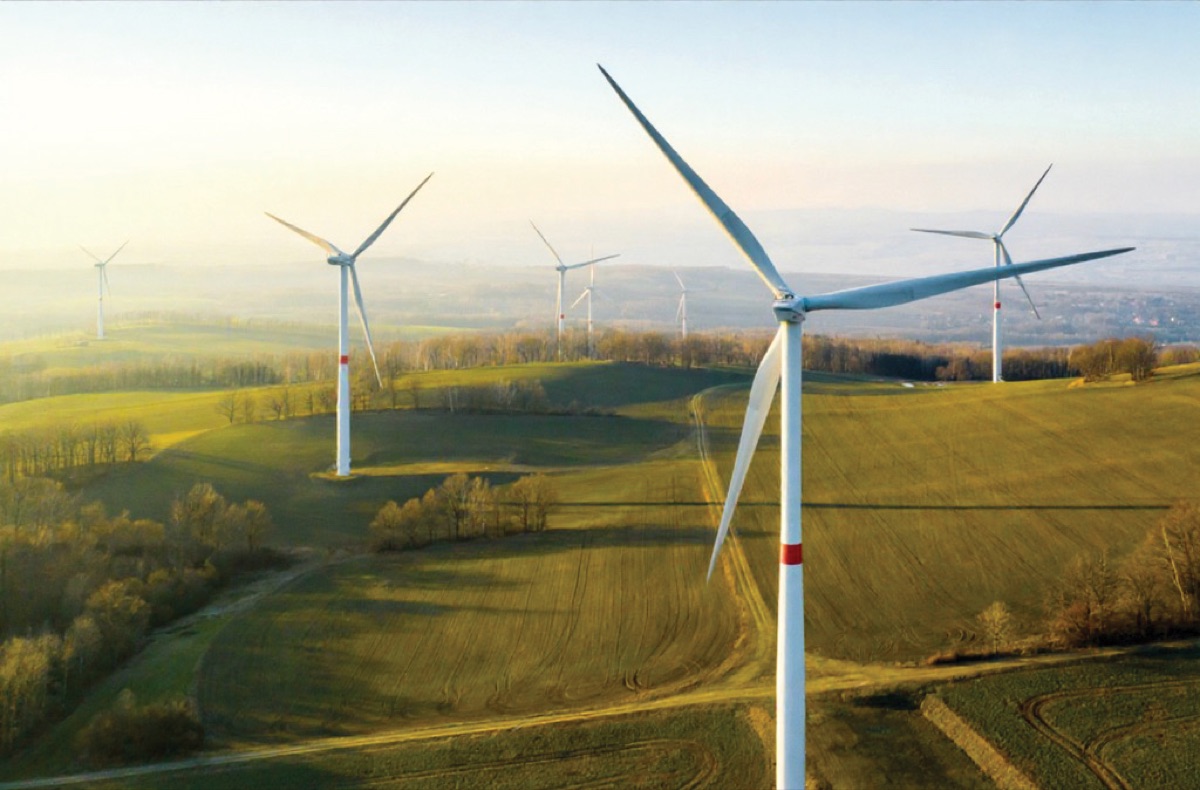
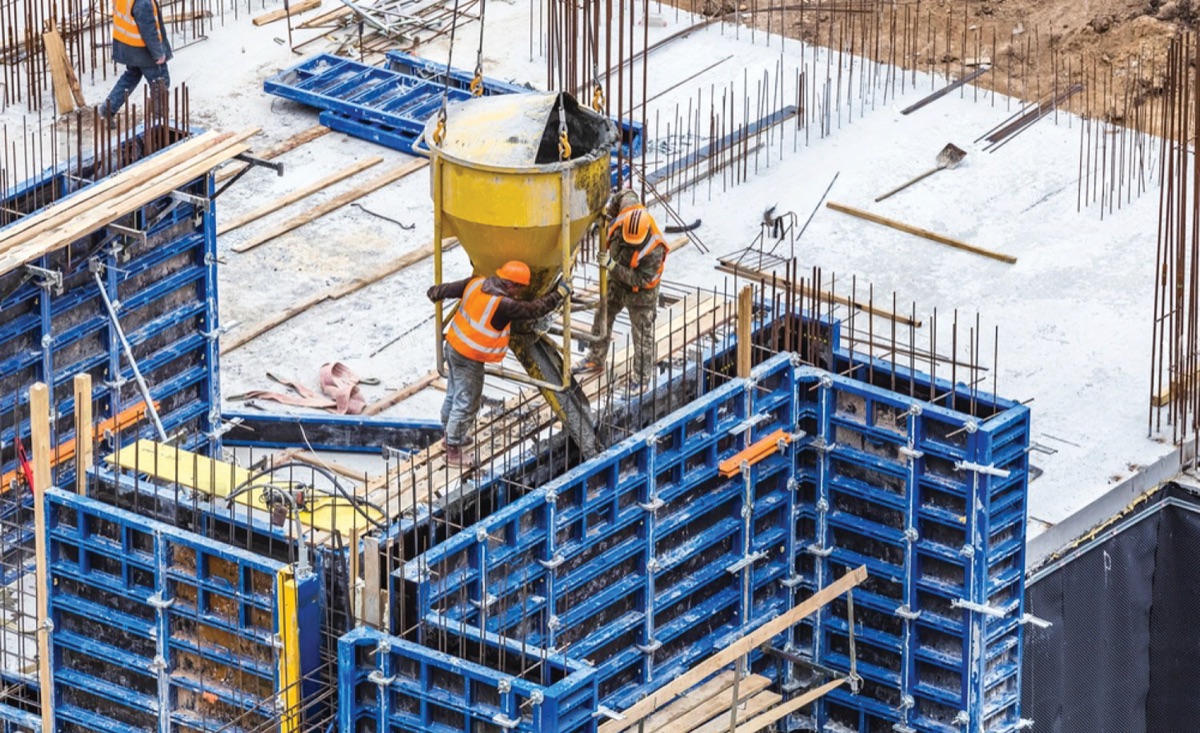
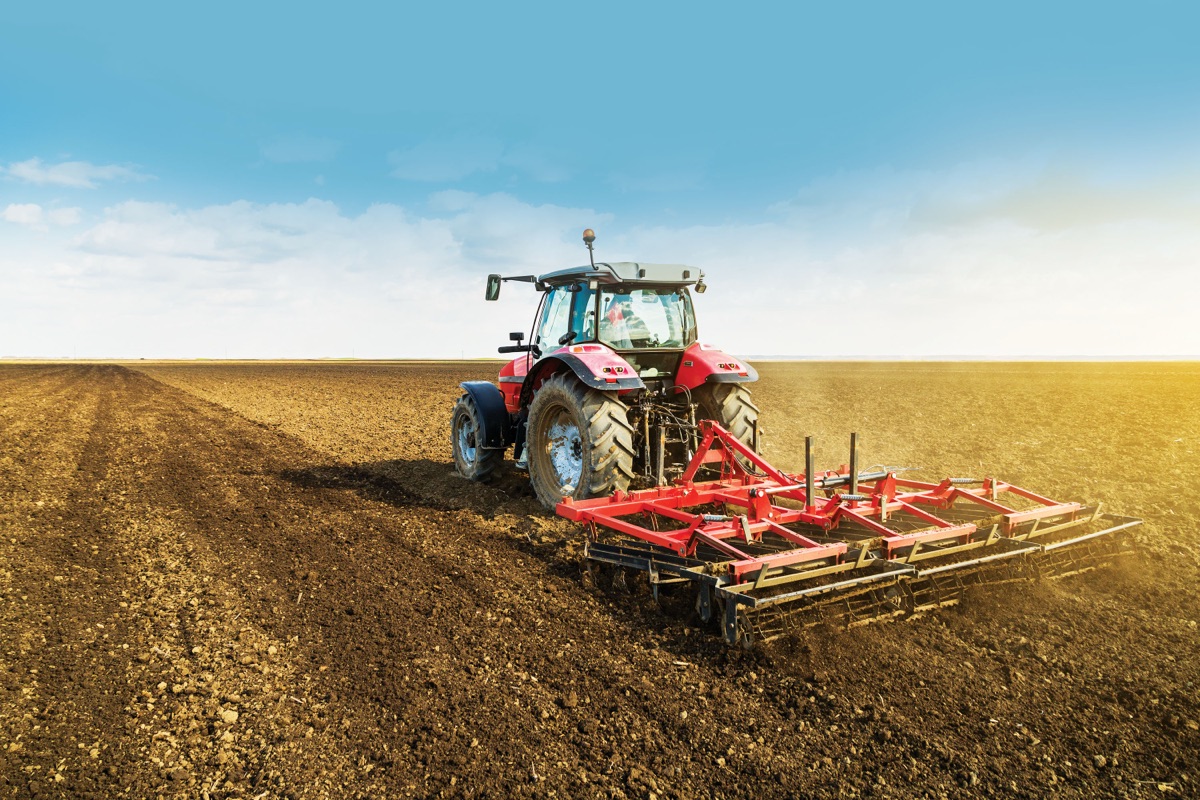
Custom metal fabrication is used across industrial machinery, automotive systems, energy infrastructure, construction, and electrical equipment manufacturing. Any application that requires durable, custom-shaped metal components will typically involve fabrication processes.